40 min
Private Horse Carriage Tour of Central Park with Guide
- Private experience
- Personal attention
- Premium amenities
- Free cancellation
Central Park Carriage & Pedicab Tours
Horse-drawn rides through elm-shaded paths, landmark stops framed by Manhattan skyline
Compare fares, pick the fit — all bookings are mobile-voucher and eligible for free cancellation where shown.
40 min
1 hr
2 hr
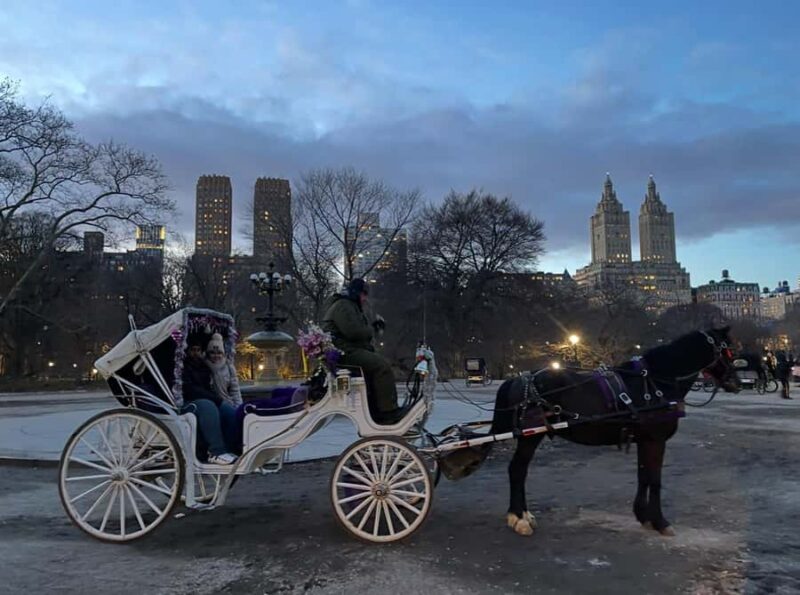
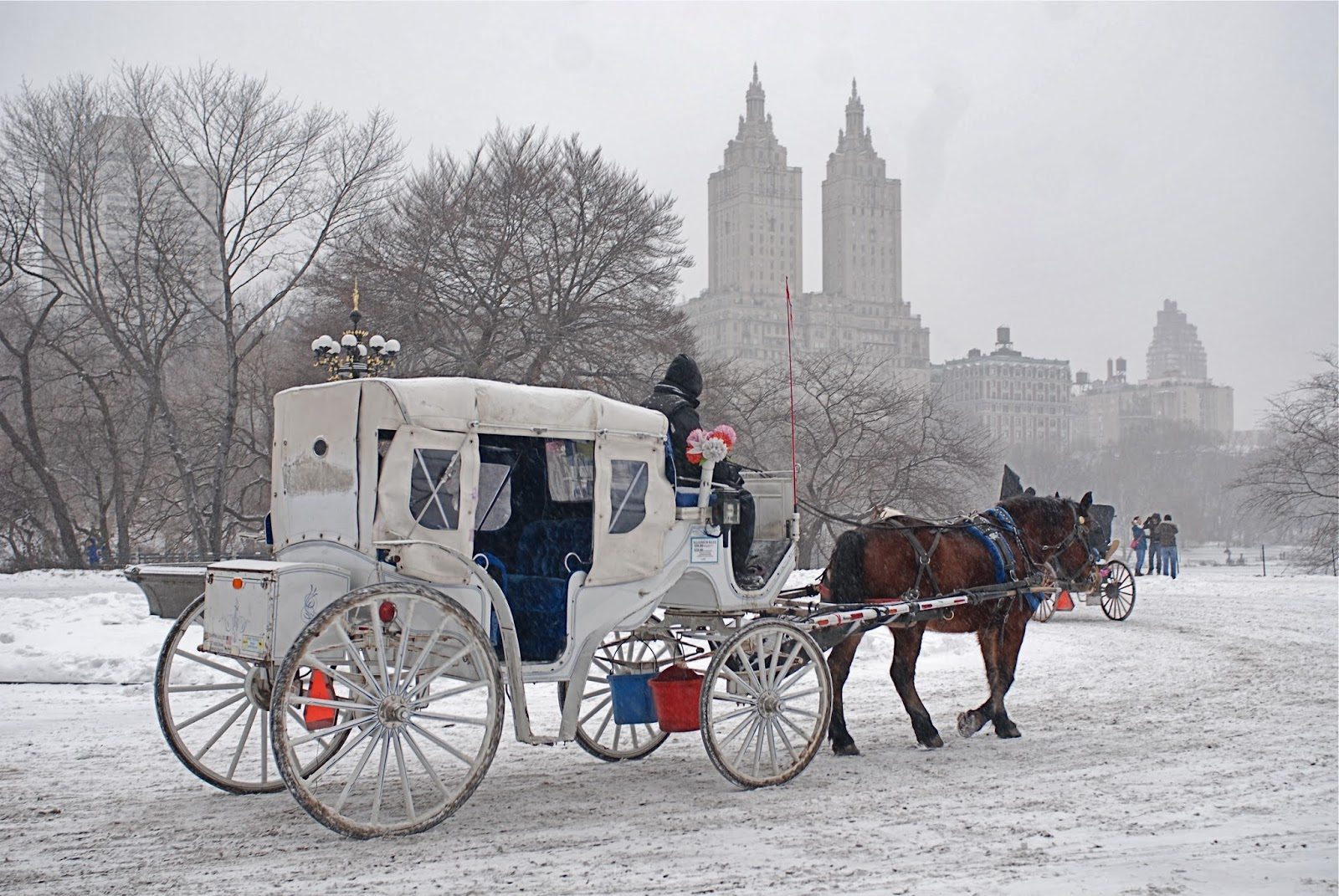
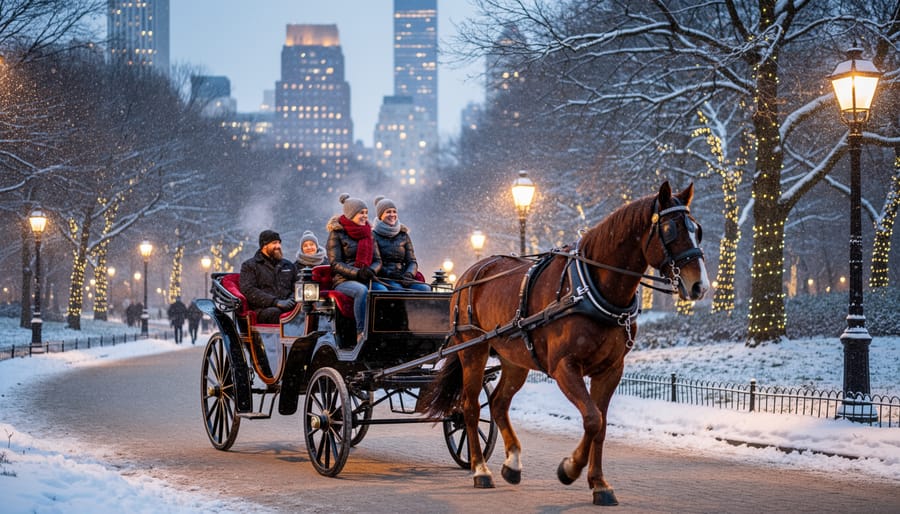
Selecting the right sleigh ride in central park allows you to explore iconic landmarks like Bethesda Terrace and the Bow Bridge at a leisurely, romantic pace. Whether you prefer a quick loop or an extended sightseeing journey, these private carriage tours offer a classic way to experience the park's lush greenery or winter charm.
| Mini Tour 25 Min Loop |
Top pick Elite Best Deal Tour 45 Min Sightseeing |
Grand Adventure Tour 1 Hour Extended | |
|---|---|---|---|
| Duration | 25 minutes | 45 minutes | 60 minutes |
| Route Scope | Brief park loop | Key monument focus | Full park coverage |
| Photo Stops | — | 1 stop | 3 stops |
| Group Capacity | Up to 4 adults | Up to 4 adults | Up to 4 adults |
| Best for | Quick orientation | First-timers | In-depth sightseeing |
| See tickets & prices |
Verdict: For the optimal balance of time and value, first-time visitors should choose the 45-minute sleigh ride in central park tour to see the major park landmarks.
Worth it for romance, skip for budget travelers
A sleigh ride in central park — technically a horse-drawn carriage tour during winter months — runs $150–$250 for a private 45-minute loop through the southern half of the park. You're paying for atmosphere: clip-clop hoofbeats, bundled blankets, and carriage-driver narration past Bethesda Fountain and the Mall's elm canopy. The backdrop is legitimately romantic if you catch fresh snow, but you'll cover only 20–30% of Central Park's 843 acres. Pedicab alternatives on this page offer similar routes at lower per-person cost and let you customize stops for photos. Carriage tours work best for couples seeking a special-occasion experience or travelers with mobility constraints who want a seated, sheltered ride. If your goal is comprehensive park coverage or value per dollar, walk the Literary Walk and rent a bike instead — you'll see four times the ground for free or under $20.
Bottom line: Book sleigh ride in central park tours for the romance tax, not the sightseeing — walkers and cyclists see more for less.
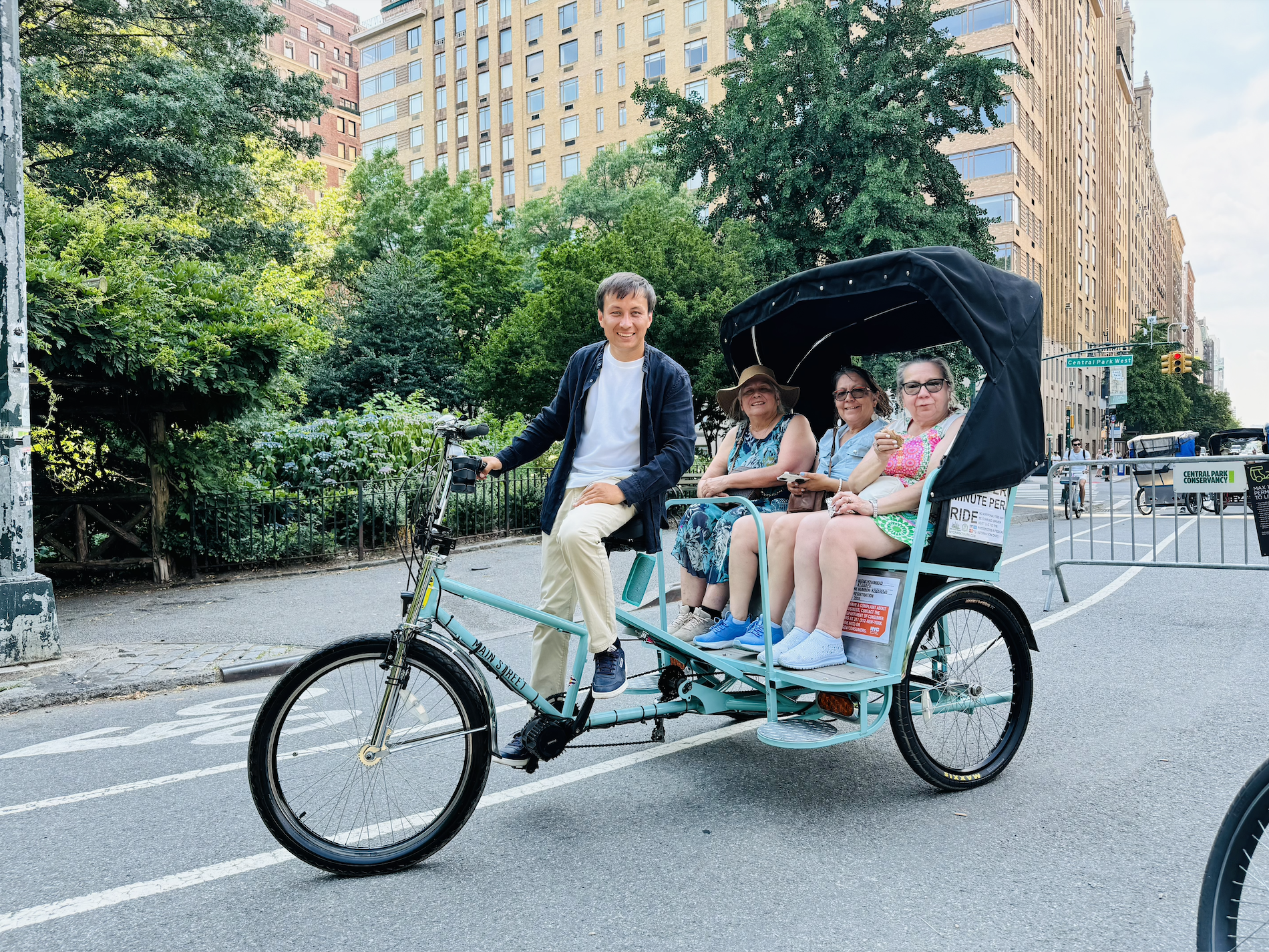
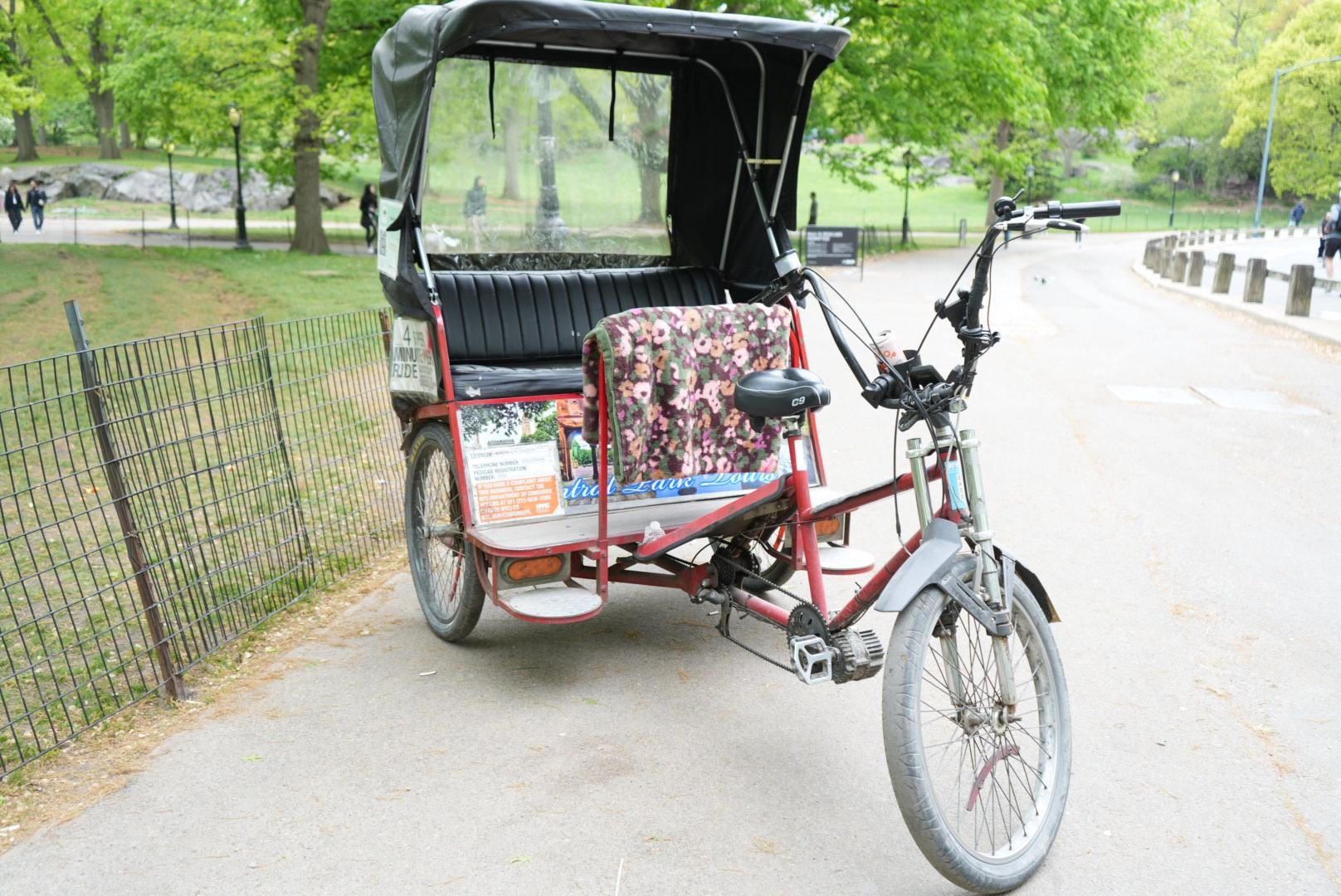
They complement each other; most visitors who do both call the pedicab the more efficient way to see landmark statues and bridges, while the carriage offers a superior traditional aesthetic. Selecting the right sleigh ride in central park tour ensures a personalized pace for your afternoon.
|
Top pick Carriage Ride |
Pedicab Tour | |
|---|---|---|
| Experience Type | Horse-drawn carriage | Bicycle-powered cab |
| Typical Route | Fixed inner loops | Extensive park-wide access |
| Comfort Level | Padded bench seating | Contoured upright seating |
| Speed | Leisurely stroll pace | Adjustable brisk pace |
| Eco-Impact | Low carbon footprint | Human-powered zero emissions |
| Seasonal Suitability | Winter/Autumn focus | Year-round operation |
| See tickets & prices |
Verdict: Choose a pedicab if you prioritize covering maximum distance across the New York City landmark, or opt for a sleigh ride in central park if you prefer a classic, rhythmic pace for your Central Park excursion. Seeking out sleigh ride in central park tours provides a nostalgic experience, whereas pedicab options provide the versatility required for quick sightseeing; check sleigh ride in central park tickets for availability before your visit.
Hand-picked experiences loved by thousands of travelers
1 hour
Free Cancellation
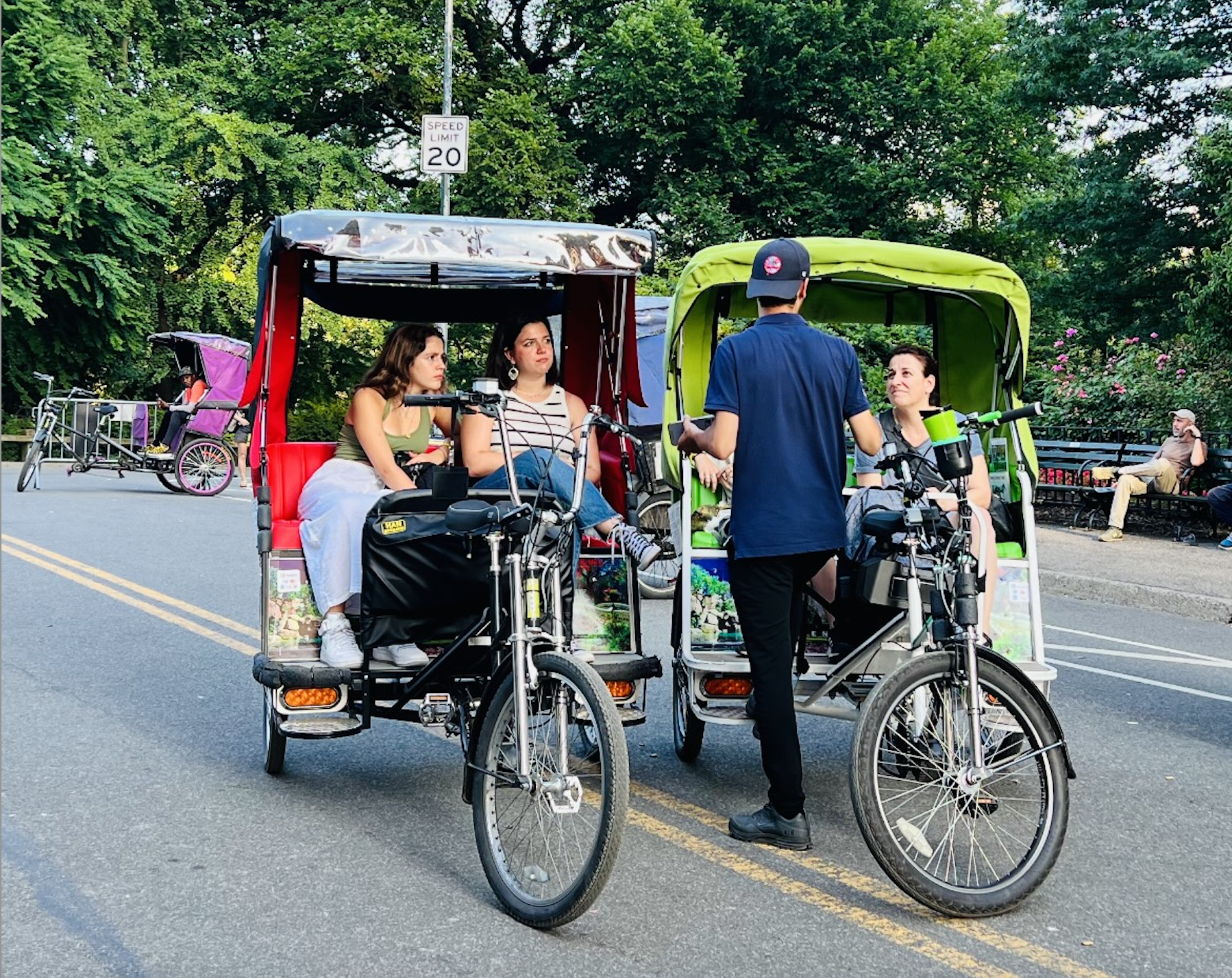
Explore famous filming sites and star residences on a relaxing pedicab ride through Central Park
1 hour
Free Cancellation
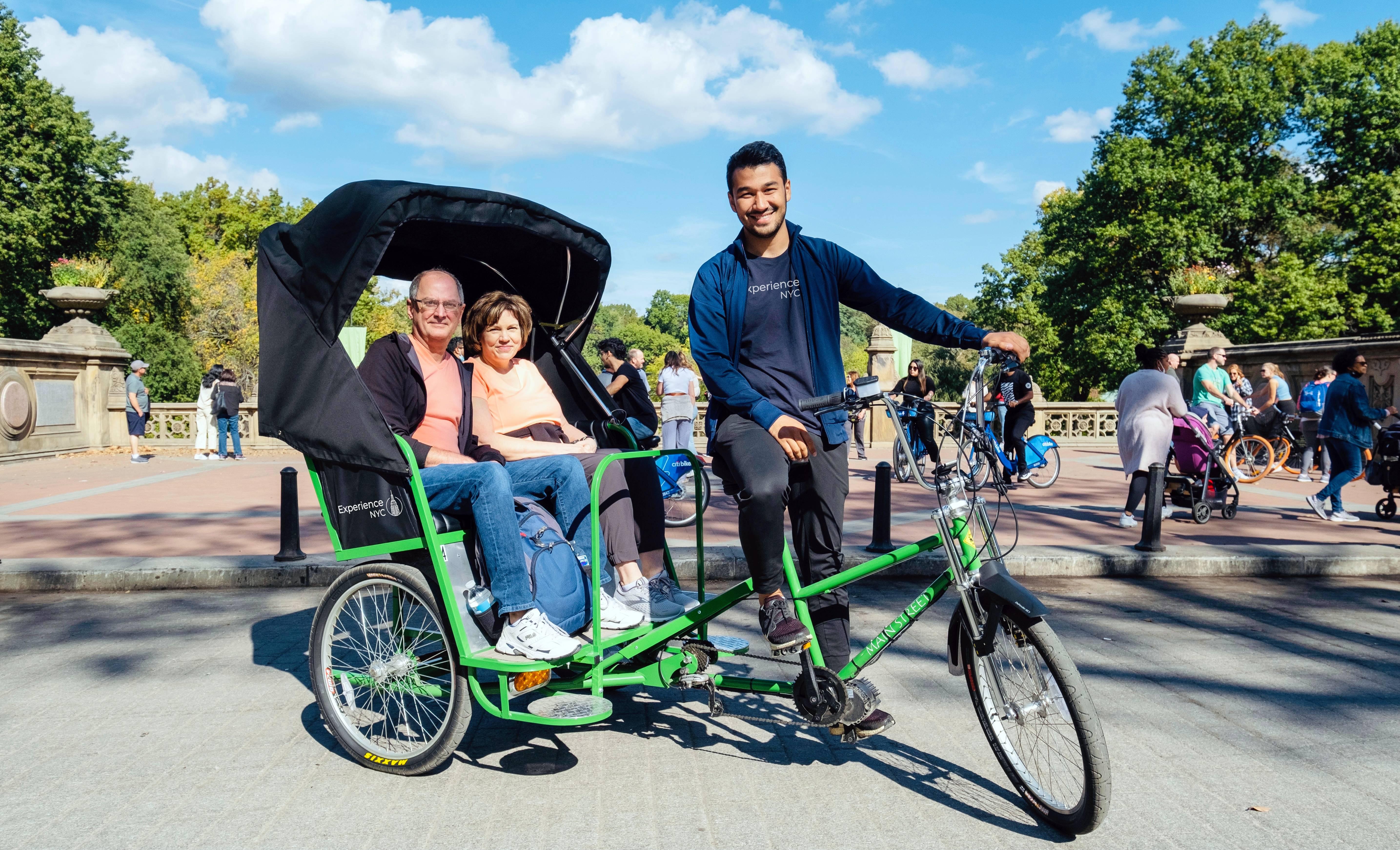
Relax in an eco-friendly rickshaw as a licensed guide pedals you past the park's most beloved landmarks
1 hour
Free Cancellation
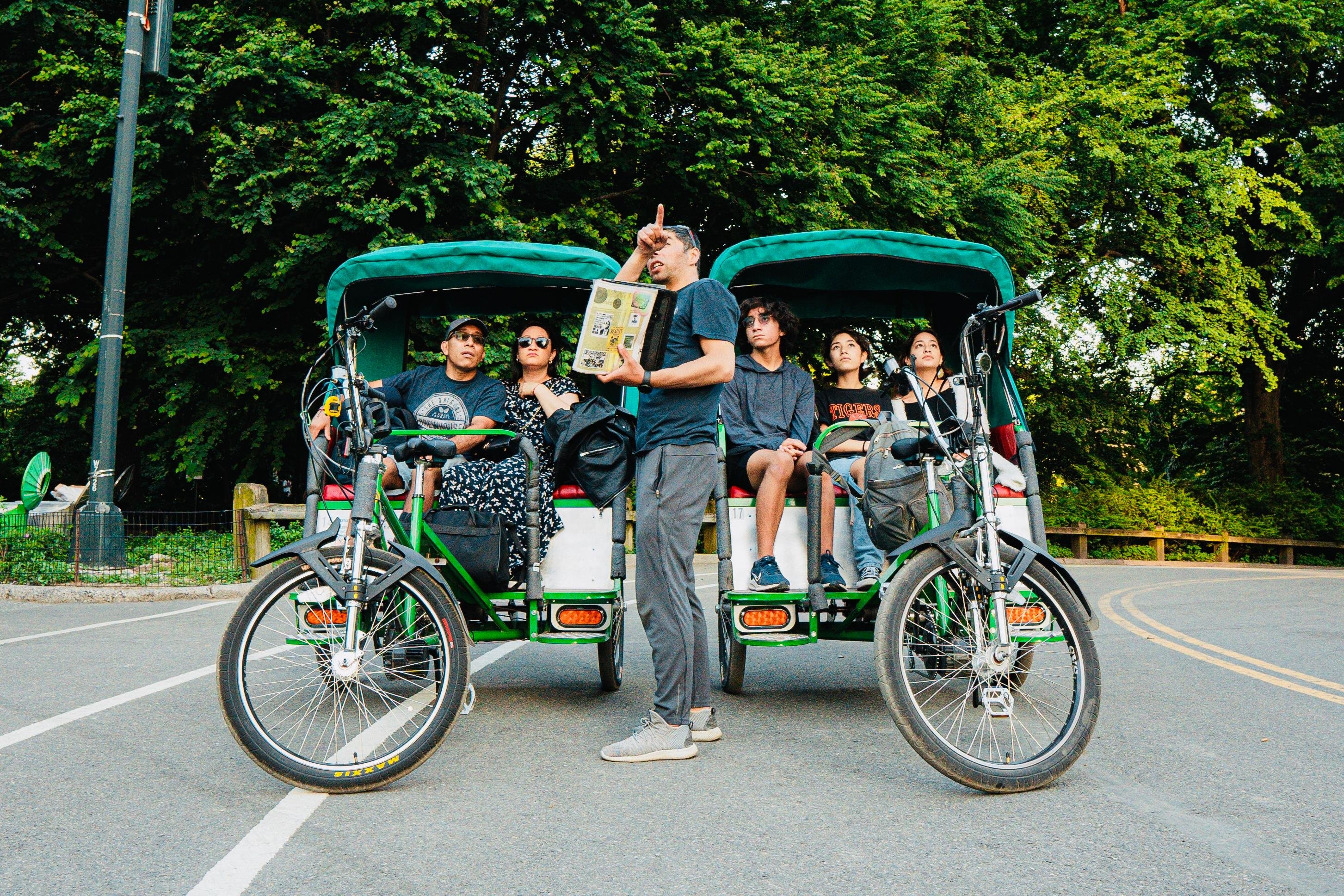
Discover Central Park's iconic landmarks on a relaxing pedicab ride with a licensed guide and photo opportunities
2 hours
Free Cancellation
Pedal through NYC's iconic urban oasis and uncover its hidden stories on this leisurely two-hour ride.
2 hours
Free Cancellation
Pedal through NYC's iconic green space with a local guide on this leisurely two-hour ride.
2 hours
Free Cancellation
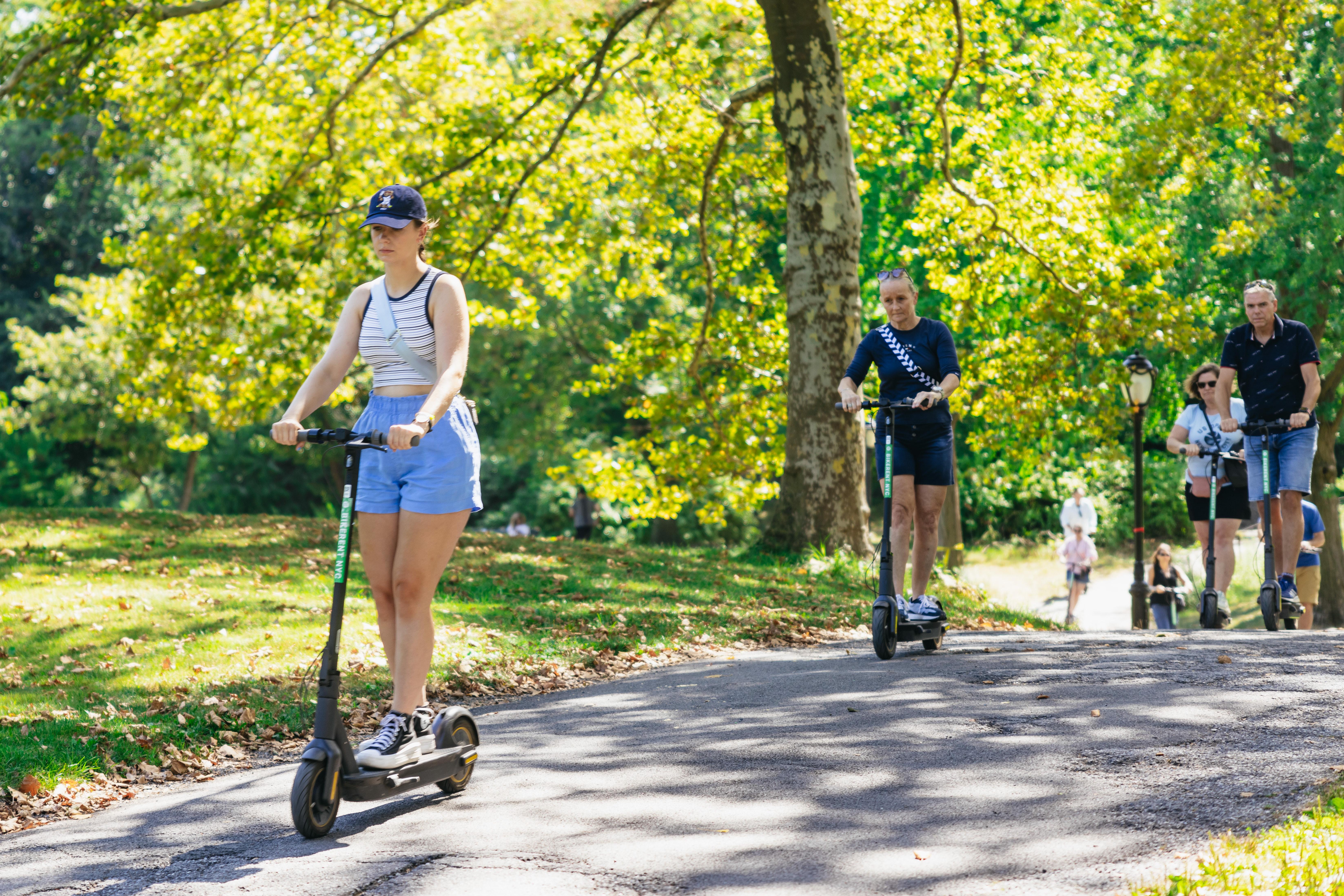
Glide through NYC's iconic urban oasis on an electric scooter with expert commentary and photo stops
45 minutes
Free Cancellation
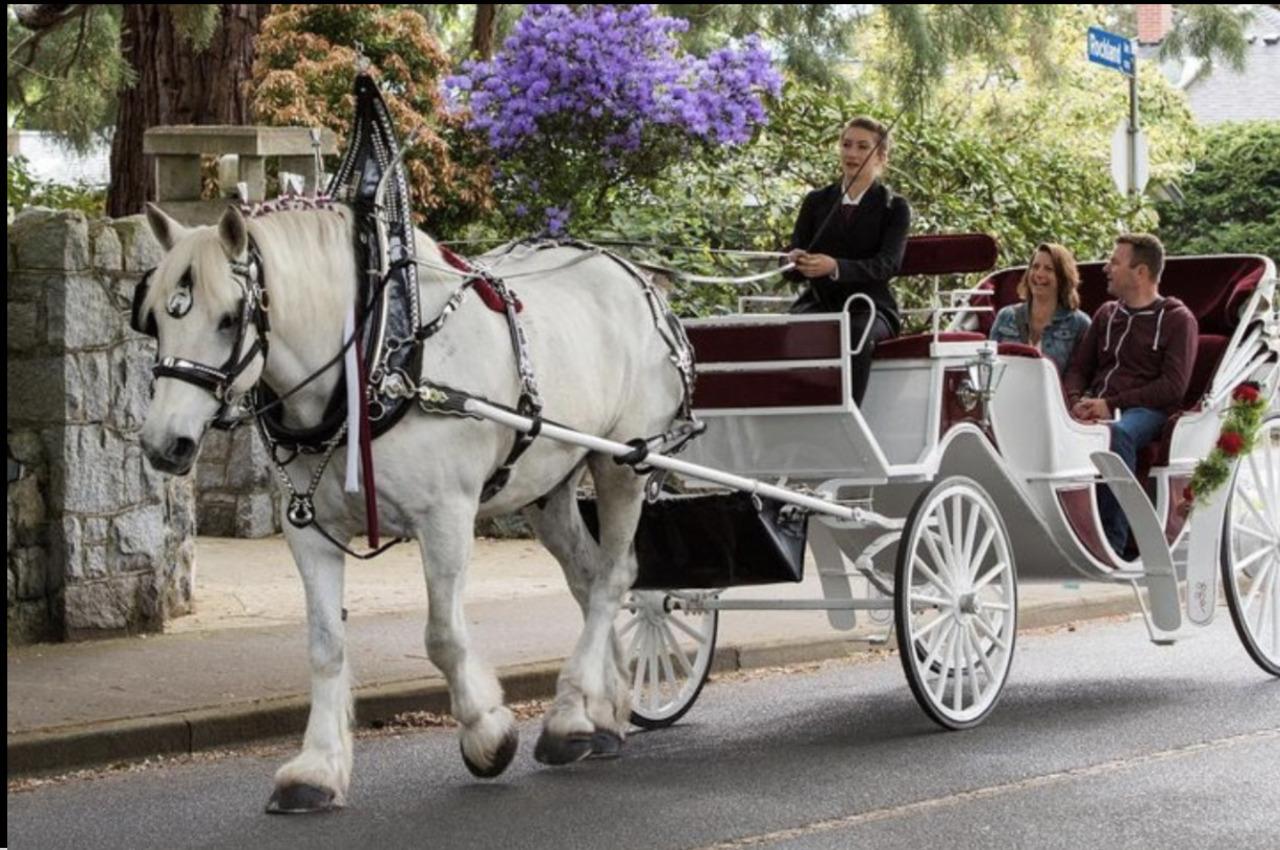
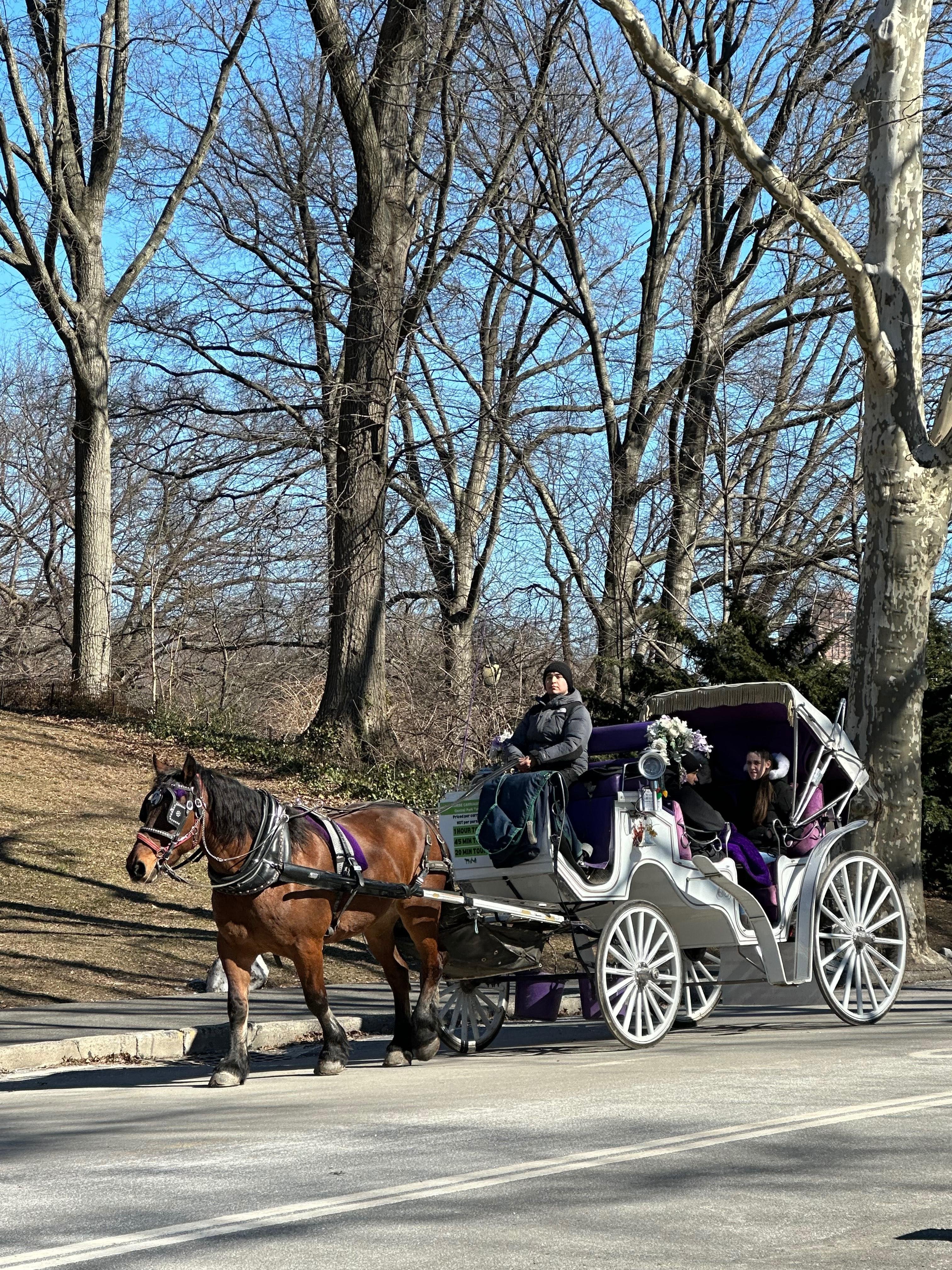
Ride through Manhattan's iconic green space in a traditional carriage with a guide sharing tales of the park's past
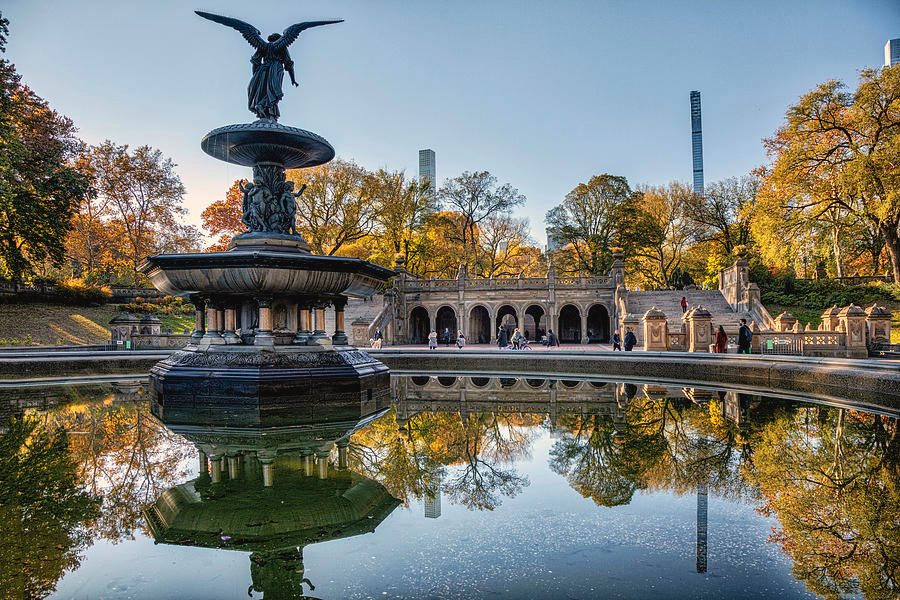
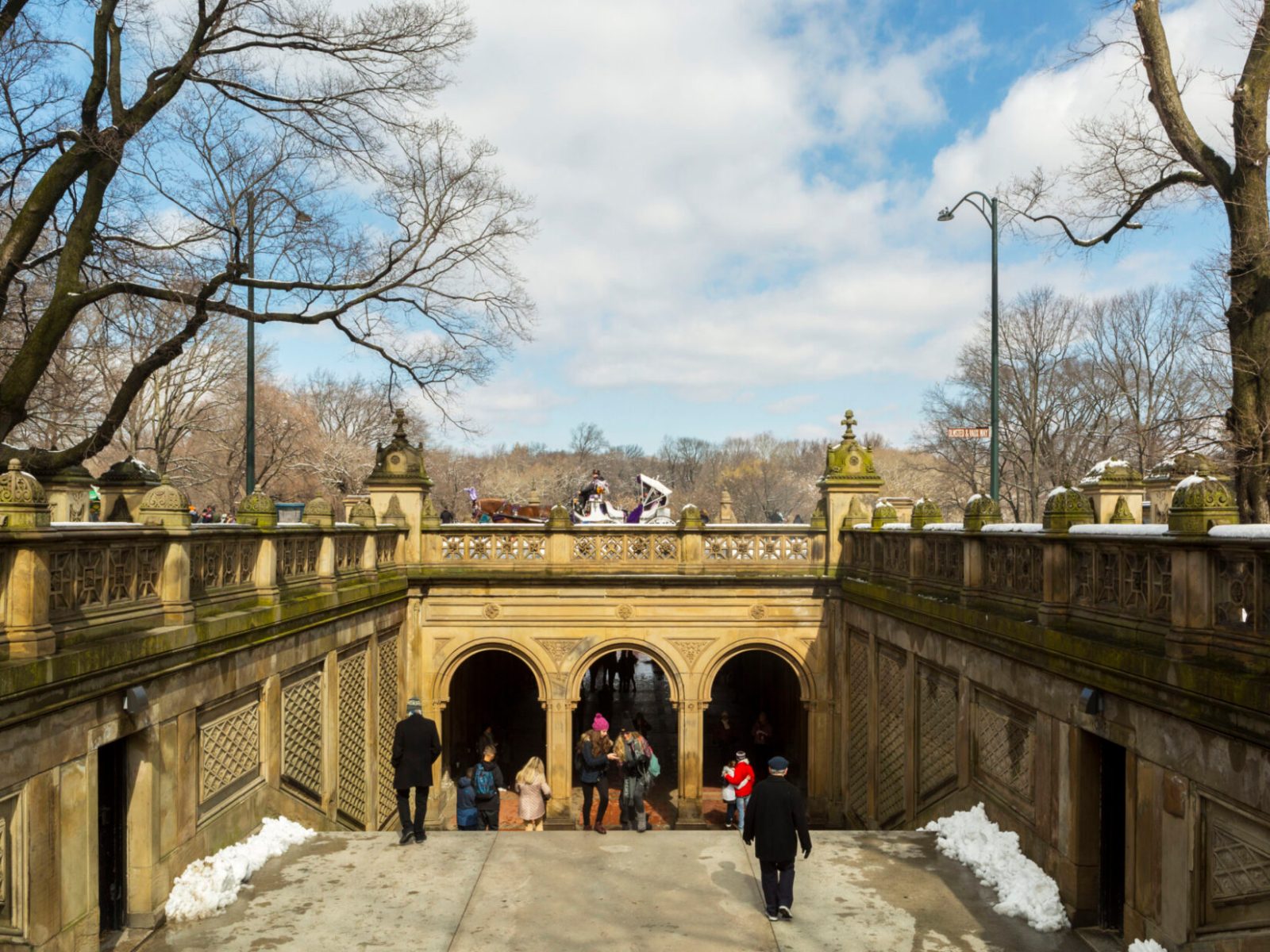
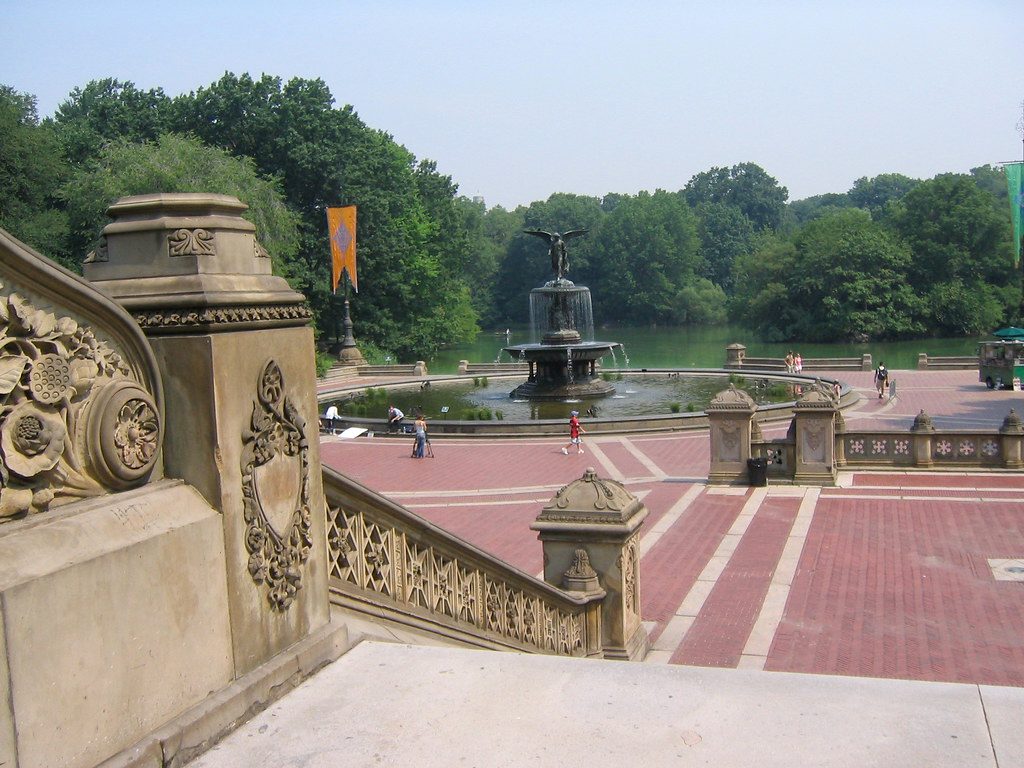
Known for its intricate carvings and the iconic Angel of the Waters fountain at its center.
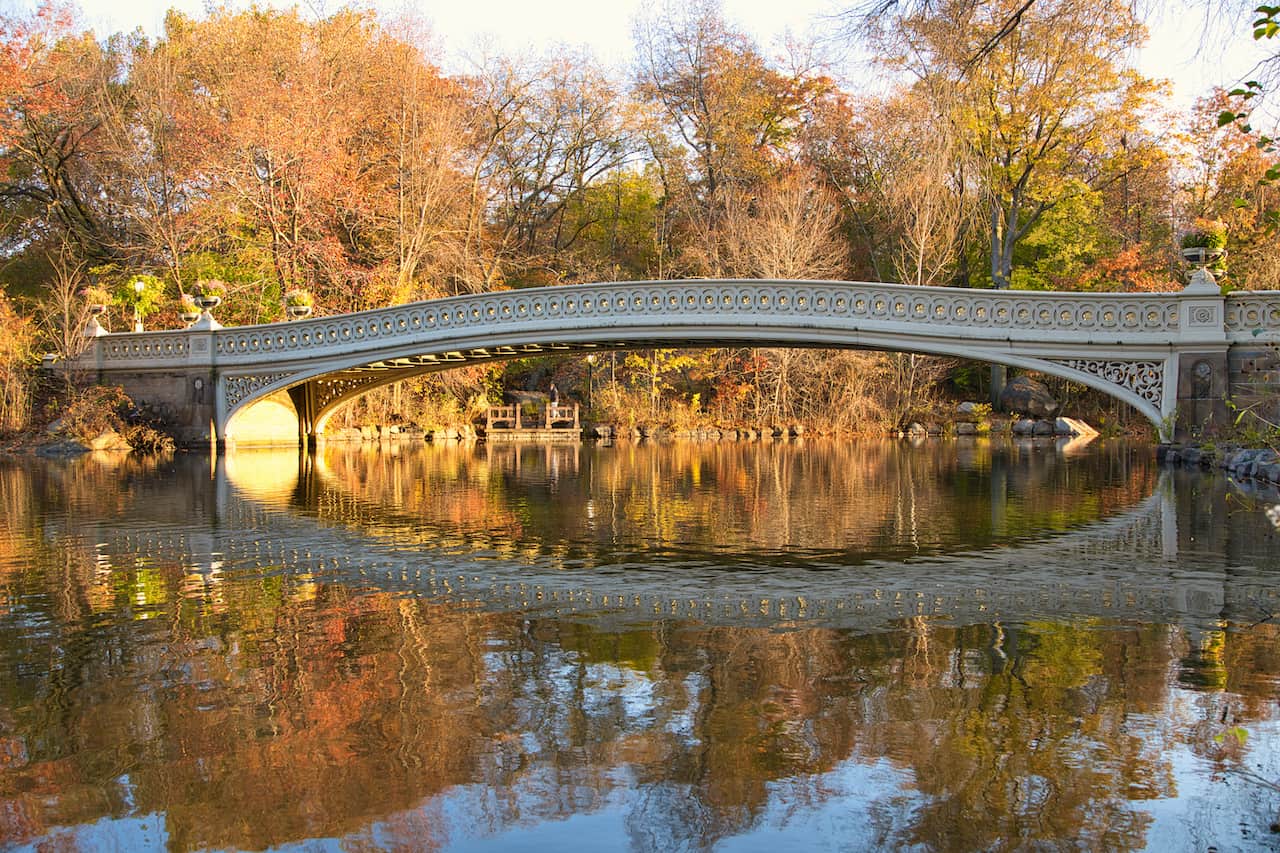
This cast iron structure is one of the most photographed spots in the park.
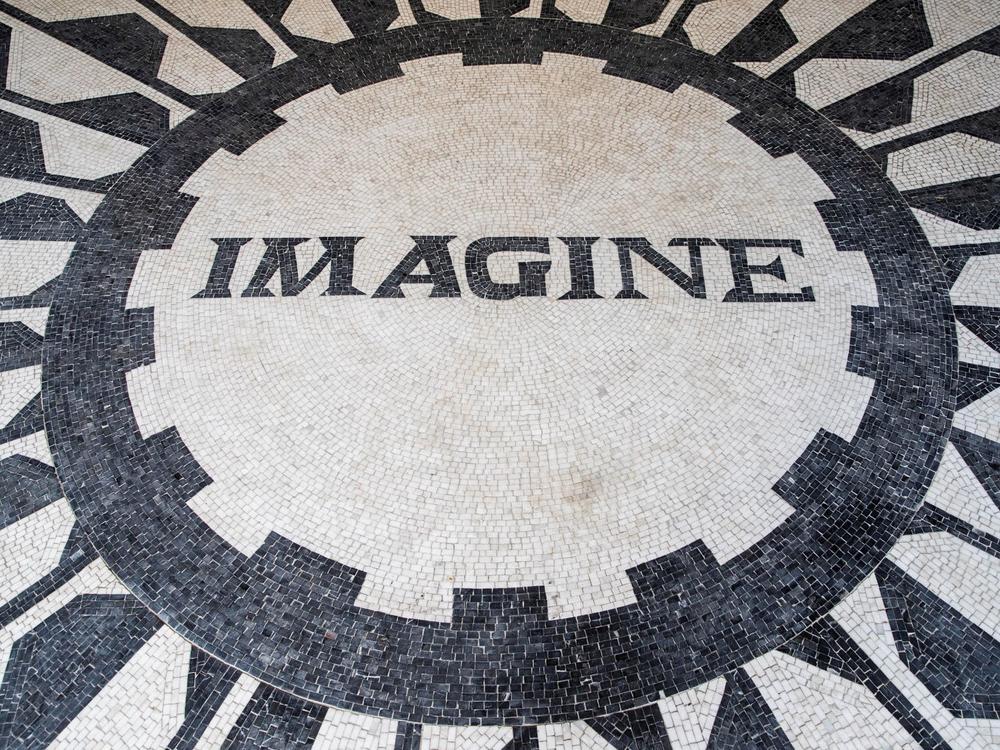
A 2.5-acre memorial to John Lennon featuring the famous Imagine mosaic.
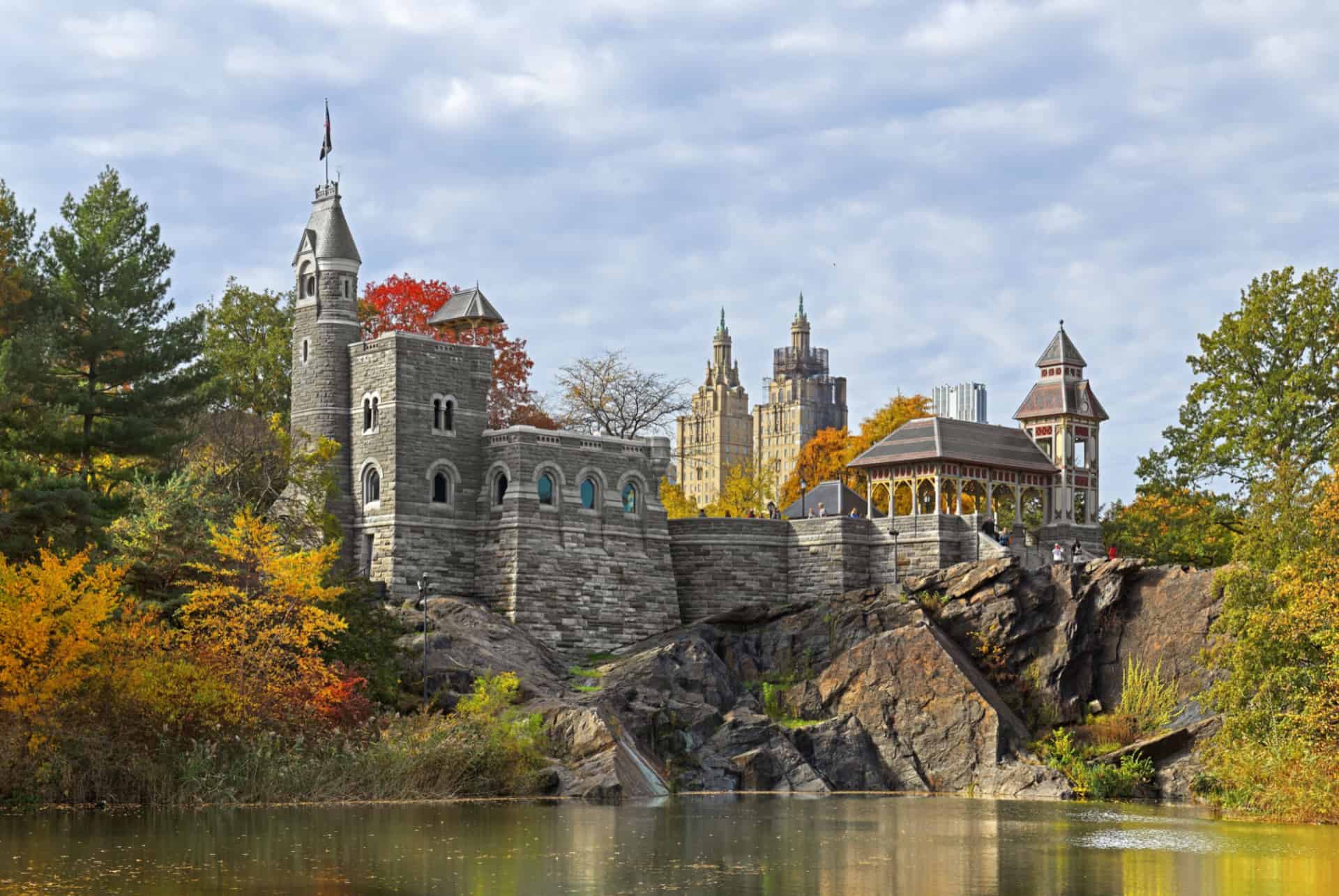
A Victorian-style folly that offers panoramic views over the Great Lawn.
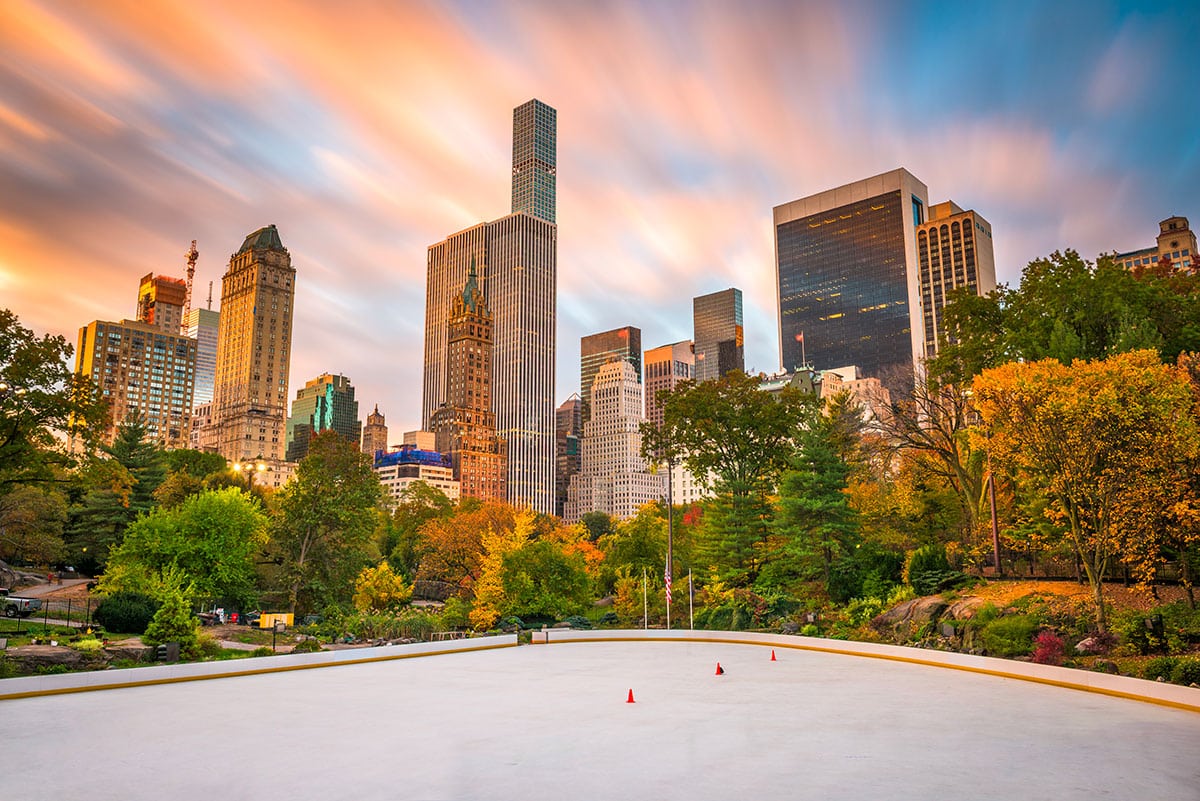
A seasonal ice skating destination that is a staple of winter in the park.
You board at Grand Army Plaza, where the Plaza Hotel's mansard towers stand behind you and the park opens ahead, elm branches arching over the roadway.
Your driver turns onto Center Drive, and the first landmark appears within two minutes: the Pond, its limestone outcrops and willow-edged shoreline designed to look untouched. You pass Wollman Rink on the left — its oval basin empty in summer, crowded with skaters November through March.
The carriage slows at the Mall, where four rows of American elms form a living cathedral ceiling overhead. You count the statues lining Literary Walk: Shakespeare, Burns, Scott. At the Mall's southern end, Bethesda Terrace descends in wide stone steps toward the Lake, where Bow Bridge's iron span curves in a perfect arc. Your driver pauses for photos — the bridge, the Ramble's wooded hillside beyond, the Dakota's roofline breaking the horizon.
You continue west along the Lake's edge, passing Cherry Hill's fountain and the narrow inlet where rowboats cluster. The final loop brings you past Sheep Meadow's 15-acre lawn, where picnic blankets dot the grass and the skyline reappears — Central Park South's towers, the Time Warner Center's glass twins. Forty minutes after boarding, you return to Grand Army Plaza, having circled Olmsted's southern landscape without crossing a single traffic light.
All the details about your upcoming adventure in one place
Frederick Law Olmsted designed Central Park's 58 miles of pedestrian paths in 1858 with one strict rule: no straight lines.
Every carriage route curves, climbs, or dips to reveal a composed view — Bow Bridge reflected in the Lake, Bethesda Terrace framed by American elms, the Ramble's woodland thickets giving way to Belvedere Castle's Gothic towers. Horse-drawn carriages have rolled these same paths since 1858, when the park opened as America's first landscaped public space.
The sleigh ride in central park tradition endures because Olmsted's design still works. Vehicles move at walking pace, slow enough to hear red-tailed hawks in the Ramble or count the 36 bridges Calvert Vaux sketched by hand. The southern loop — most carriage tours follow it — passes Wollman Rink, the Pond's limestone outcrops, and the Mall's quarter-mile canopy of American elms, the largest stand in North America. Pedicab routes extend farther north, reaching the Gothic arches of Belvedere Castle or the reservoir's 1.58-mile running track, renamed for Jacqueline Kennedy Onassis in 1994.
Central Park occupies 843 acres, but its 26,000 trees and four million annual visitors never feel crowded. Olmsted engineered sightlines to hide the city — sunken transverse roads carry crosstown traffic below grade, and berms planted with London plane trees screen Fifth Avenue's towers. From a carriage seat on the East Drive, you see only canopy and meadow. The illusion holds until you crest Cedar Hill and the skyline reappears, framed deliberately.
Today's horse carriages queue at Grand Army Plaza and Sixth Avenue, regulated by the city's Taxi and Limousine Commission. Pedicabs, legalized in 2007, cluster near Bethesda Fountain and Strawberry Fields. Both follow Olmsted's original carriage roads, now closed to cars. The landscape that inspired Olmsted — pastoral England, the Hudson River School's wild sublime — still reads clearly in every staged view.
Olmsted engineered sightlines to hide the city — from a carriage seat on the East Drive, you see only canopy and meadow.
Dress in warm layers for a sleigh ride in central park during late autumn and winter. Blankets are often provided by operators to ensure comfort during your ride.
Keep personal belongings to a minimum as space is limited in the carriage. Ensure all bags are secured before the ride begins.
Photography is encouraged during your sleigh ride in central park. Drivers are often happy to stop at landmarks for pictures.
Carriages typically seat up to four adults or three adults and two small children. Verify age-based capacity rules before booking your sleigh ride in central park.
Most carriages are not wheelchair accessible, though some may accommodate folding mobility aids. Confirm specifics with your chosen operator before booking your sleigh ride in central park.
Check with your specific operator regarding policies on bringing food or drinks on your sleigh ride in central park. Glass containers are generally prohibited.
Opening hours
06:00–01:00
Address
Central Park, New York, NY 10024, USA
Accessibility
Wheelchair access varies by carriage
Best arrival
09:00–11:00
Storage
Not available in carriages
Location
Central Park South near 7th Ave
Full refunds are typically provided for cancellations made at least 24 hours in advance. Please check specific operator terms for details.
Recommended time
1-2 hours
A typical sleigh ride in central park takes 20 to 45 minutes on the carriage itself, but plan 1-2 hours total once you add walking to the staging area near Central Park South, waiting for your turn, and a short stroll afterward. Add extra time if you're combining the ride with a broader Central Park landmarks walk, and subtract time if you're booking a private or pre-scheduled slot that skips the general queue. Queues build fastest around midday when foot traffic peaks near the 59th Street entrances, so a shorter wait is realistic earlier or later in the day. Treat the ride itself as the fixed part and the queue as the variable you control by timing your arrival.
Crowd levels through the day
Central Park's winter carriage tradition began in the 1860s, when wealthy New Yorkers commissioned private sleighs to glide along the newly completed park drives designed by Frederick Law Olmsted and Calvert Vaux. The original sleigh ride in central park tours were exclusive affairs, with families hiring liveried drivers and matched pairs of horses to traverse the snow-covered Mall and Bethesda Terrace. By the 1880s, commercial operators established stands near the park's southern entrances, democratizing access to what had been an elite pastime. The brutal winter of 1888—the Great Blizzard—nearly destroyed the nascent industry when drifts buried carriages and killed dozens of horses, but operators rebuilt their fleets by spring. The early twentieth century brought mechanization threats. Automobile clubs lobbied to ban horse-drawn vehicles from park roads after 1912, citing congestion and sanitation concerns. Preservationists led by the Parks Commissioner successfully argued that sleighs represented living heritage, securing seasonal permits that survive today. The Depression forced most operators to consolidate; by 1935 only three licensed vendors remained, down from eighteen in 1920. Post-war suburbanization further eroded demand until the 1970s, when nostalgic tourism revived interest in historic sleigh ride in central park tickets as part of broader urban heritage marketing. Today's operations descend directly from those Depression-era survivors, still departing from the same 59th Street and 72nd Street staging areas laid out in Olmsted's 1858 master plan. Modern safety regulations mandate reflective harnesses and designated carriage lanes, but the routes—tracing the Literary Walk, circling the Conservatory Water, passing Belvedere Castle—remain unchanged since the Victorian era. The tradition endures not as frozen artifact but as working infrastructure, adapting twentieth-century insurance requirements and animal welfare standards while preserving the tactile continuity of iron-shod runners cutting through Central Park snow.
Wealthy families commission private sleighs on newly opened Olmsted drives
Commercial operators establish stands at park entrances, opening rides to middle-class visitors
Great Blizzard kills dozens of horses and destroys equipment, forcing industrywide rebuilding
Automobile clubs petition to ban horse vehicles; preservationists secure seasonal carriage permits
Depression consolidates eighteen operators into three licensed vendors
Nostalgic tourism revives demand after decades of suburban decline
Animal welfare groups challenge operations, leading to reformed safety and rest protocols
Position your camera at the top of the stairs to capture the intricate carvings with the horse-drawn carriage passing through the plaza below. This location serves as an iconic backdrop for those looking to document their sleigh ride in central park.
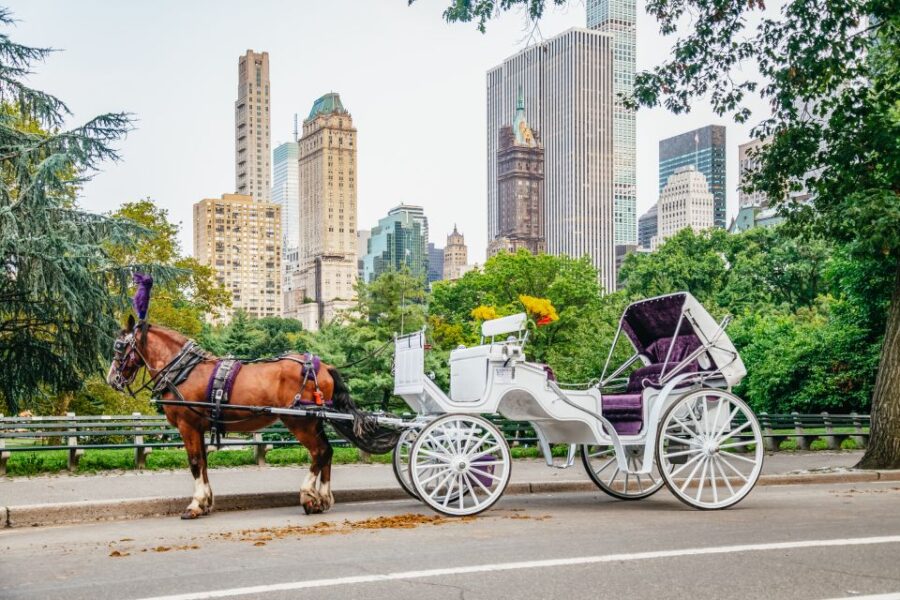
Stand on the west side of the bridge to frame the cast iron archway while the carriage travels along the park drive. It offers a classic perspective of New York landmarks seen during professional sleigh ride in central park tours.
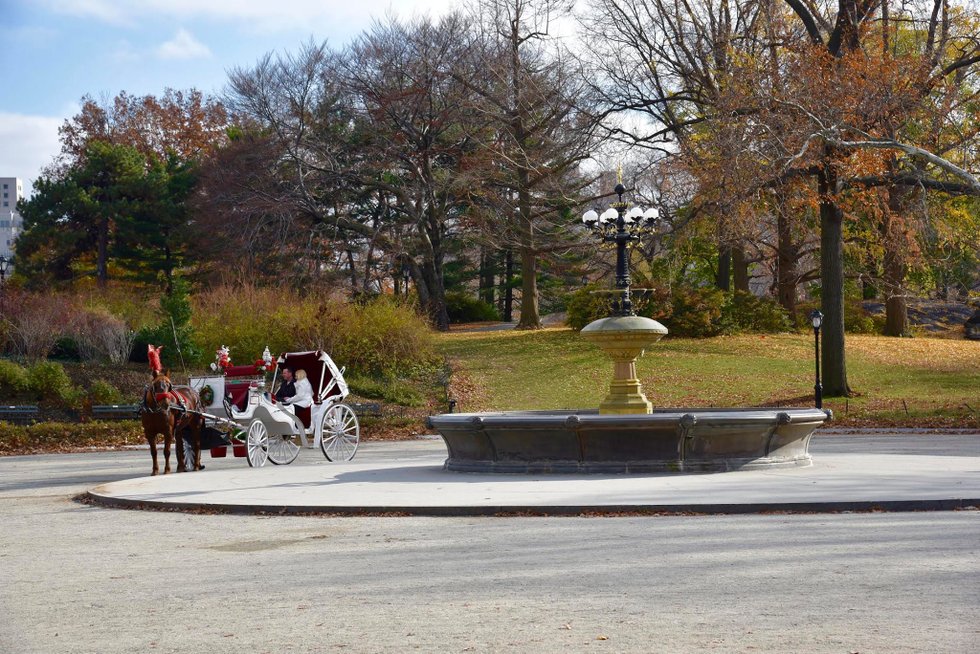
Capture the carriage as it navigates the circular drive, with the fountain and the skyline visible in the distance. This spot is ideal for wide-angle compositions requiring official sleigh ride in central park tickets for access to the ride itself.
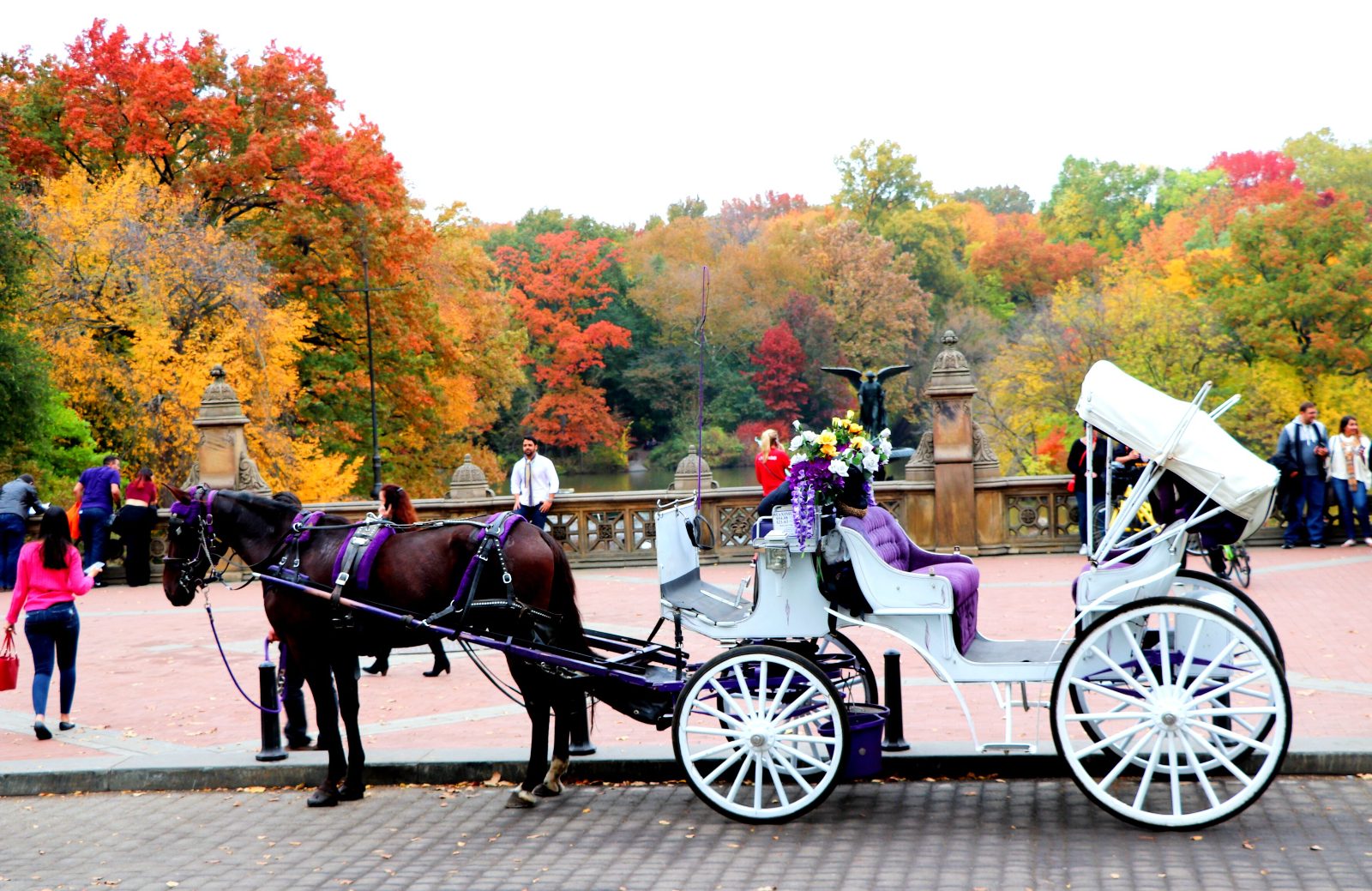
Frame the tree-lined pedestrian promenade with the carriage moving slowly in the background for a rhythmic, symmetrical shot. This provides a serene setting for a sleigh ride in central park tour.
Enjoying a sleigh ride in central park provides a charming way to see the New York landmarks with your little ones while staying comfortable. Planning your excursion around the suggested hours helps ensure a smooth experience for the whole family.
Most carriage operators require strollers to be folded during the trip; ensure your model is compact enough to stow safely at your feet or in the operator's storage area.
These excursions are ideal for children who can sit upright independently, though infants may join if secured in a wearable carrier for safety.
To keep everyone happy, we recommend booking a shorter sleigh ride in central park tour to match your child's attention span and physical comfort levels.
While public restrooms are located throughout the grounds, parents should plan for a bathroom break before boarding to avoid unnecessary stops during your sleigh ride in central park tickets reservation.
For a less hectic experience, utilize the best arrival window: 09:00–11:00, which offers cooler temperatures and lighter carriage queues before midday crowds.
If you prefer a more active pace, consider walking tours as a companion to your horse-drawn experience, ensuring your group stays engaged with the diverse scenery.
Dining near your sleigh ride in Central Park ranges from park-side sit-down restaurants to grab-and-go carts along Central Park South, so you can eat before or after your loop through the carriage paths without leaving the area.
New American fare in a landmark 1870s building near Central Park West at 67th St. Popular for brunch and holiday-season dinners, so weekend mornings get busy. Good for a sit-down meal before or after a ride.
Seafood-forward menu with lake views near the Loeb Boathouse. Books up fast for lunch on clear days, so reserve ahead if you want a table right after your ride.
Quick sandwiches, coffee and snacks at the same Loeb Boathouse complex. Suits a fast bite between carriage stops without committing to a full meal.
Burgers, fries and shakes a short walk from the Central Park South carriage stand. Lines build fast at midday, so an early or late visit works best.
Everything you need to know for your journey
Central Park is open from 06:00–01:00 daily, and carriage operators typically align their service with these hours. Always confirm specific tour availability.
Yes, children are welcome on a sleigh ride in central park provided they count toward the carriage's maximum occupancy limit.
Space is limited, so only small personal bags are recommended for your sleigh ride in central park.
You can reserve sleigh ride in central park tickets online through official operator websites.
Accessibility can be limited, so contact your provider in advance of your sleigh ride in central park to discuss specific needs.
The best arrival window for a sleigh ride in central park is 09:00–11:00 to avoid midday crowds and enjoy cooler air.
Photography is allowed, and capturing the scenery is a highlight of every sleigh ride in central park.
Wear warm, layered clothing to remain comfortable during your sleigh ride in central park, especially in cooler weather.
Service animals are typically permitted, but please verify with your operator prior to your sleigh ride in central park.
Join thousands of happy travelers who have discovered this incredible experience
Book Your Experience Now