1 hr
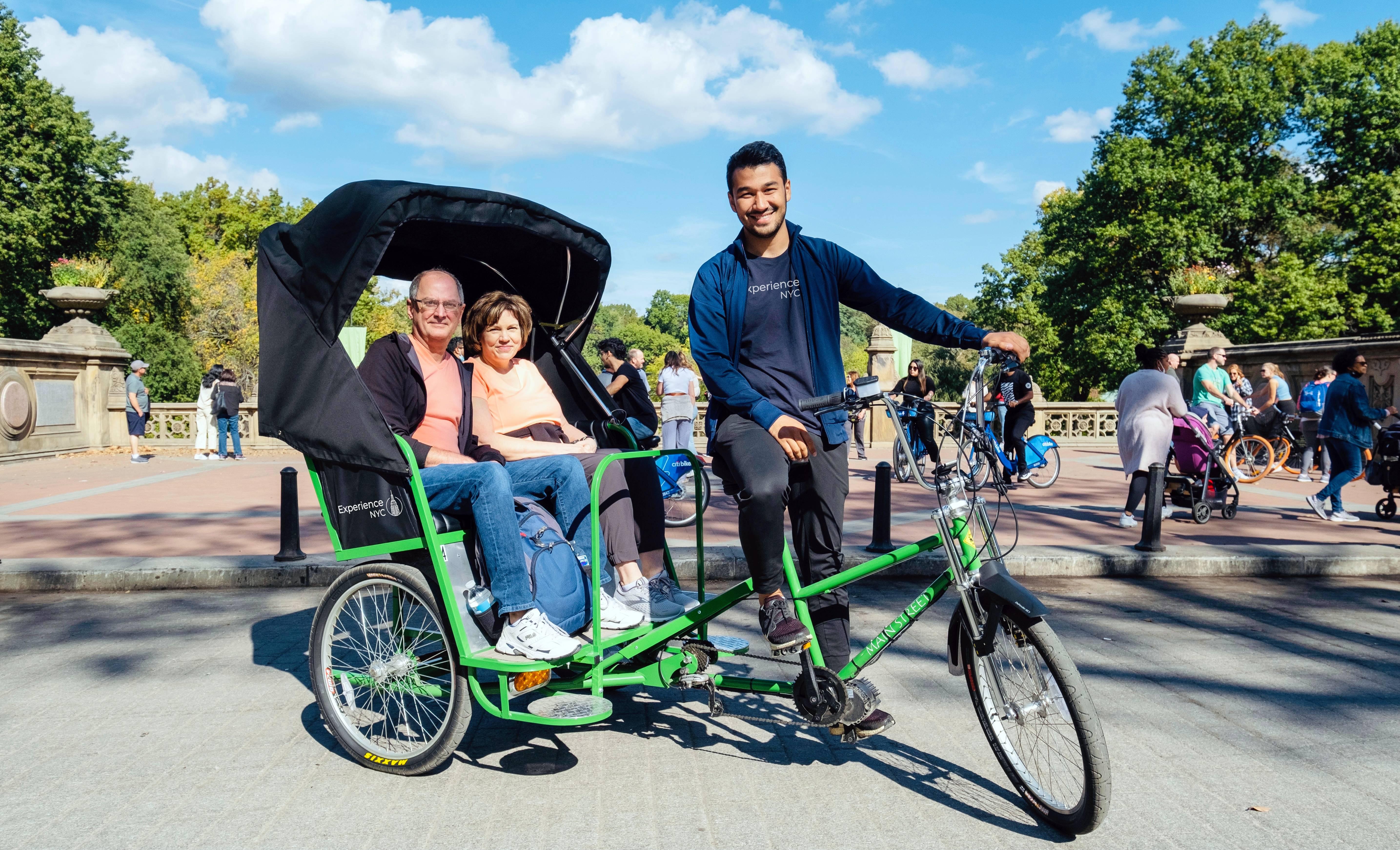
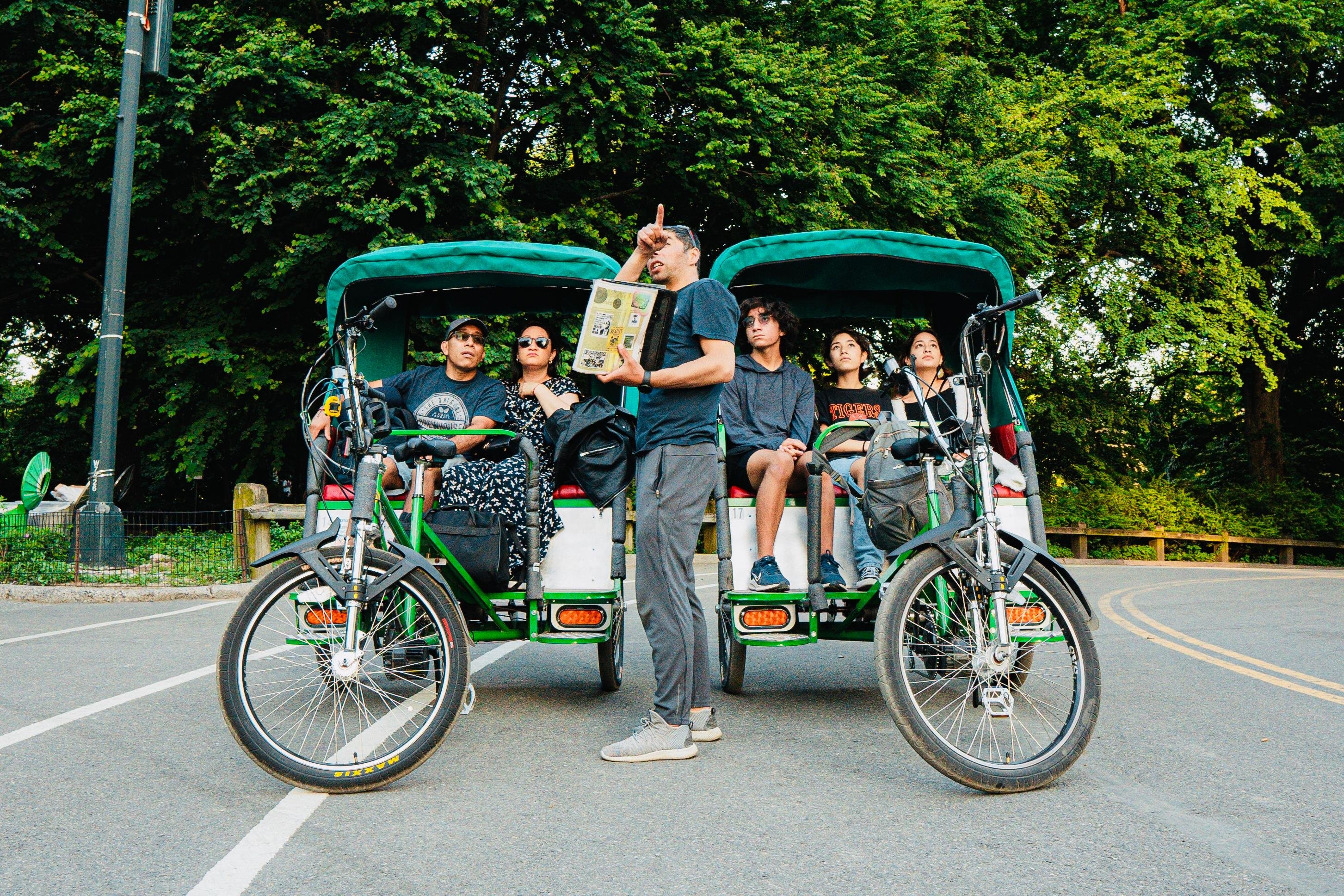
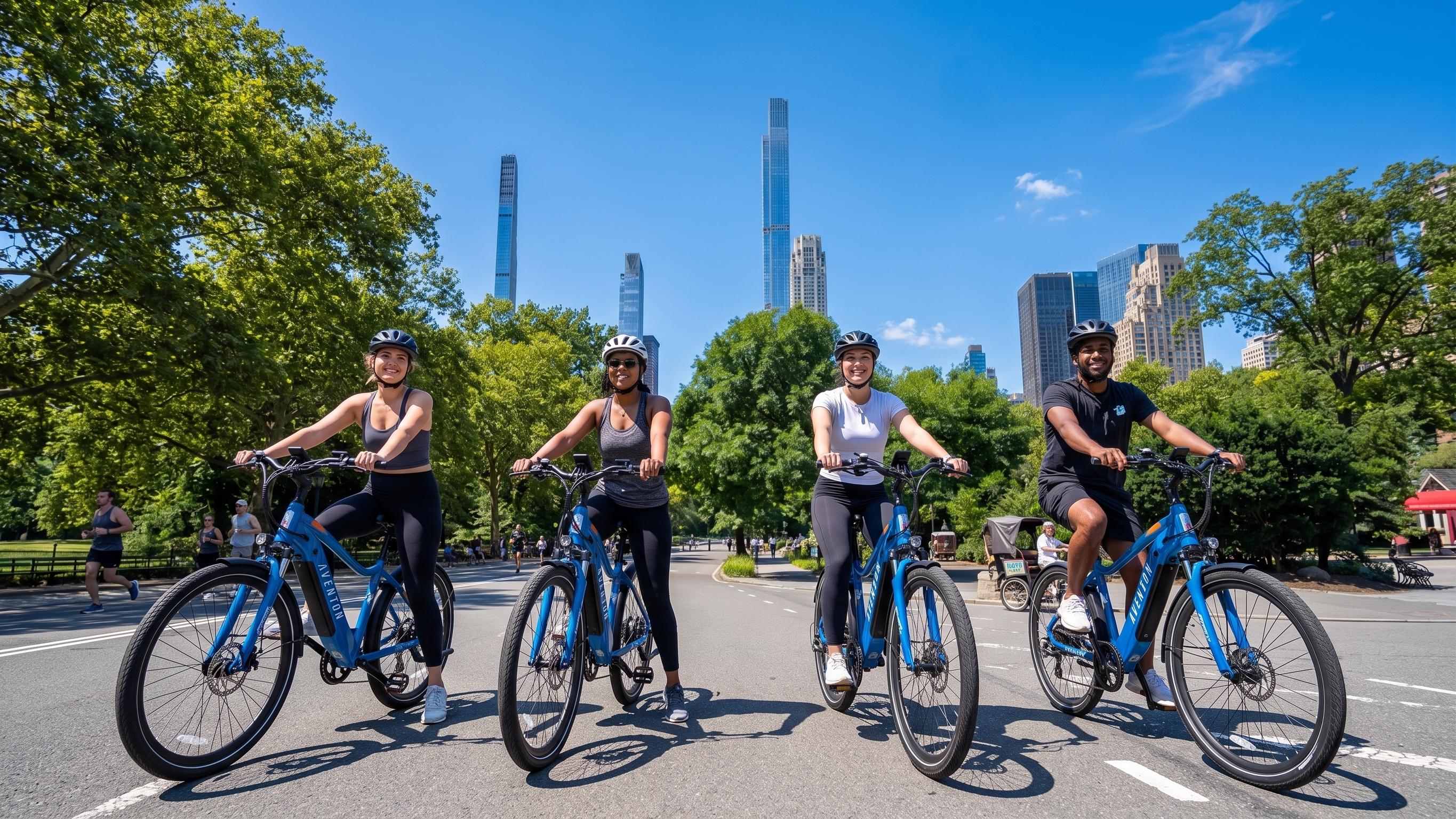
Private Central Park Pedicab Tour
- Private experience
- Personal attention
- Premium amenities
- Free cancellation
Buggy Ride in Central Park — Private Carriages & Pedicab Tours
Roll through Olmsted's meadows and arches, where every path tells a story
Compare fares, pick the fit — all bookings are mobile-voucher and eligible for free cancellation where shown.
1 hr
2 hr
1 hr
Selecting the right buggy ride in central park requires balancing personal preference for either traditional carriage transport or modern pedicab service. These New York City landmarks experiences vary by pace and interaction level.
|
Top pick Pedicab Tour Guided Narrative |
Horse Carriage Traditional Sightseeing | |
|---|---|---|
| Vehicle type | Electric-assist pedicab | Horse-drawn carriage |
| Duration | 60 to 90 minutes | 45 to 60 minutes |
| Guided or self-guided | Fully narrated tour | Driver-led highlights |
| Group size | Up to 3 adults | Up to 4 adults |
| Best for | First-timers seeking engagement | Those desiring classic charm |
| Typical price range | 60 to 150 USD | 80 to 200 USD |
| See tickets & prices |
Verdict: For those seeking the most comprehensive buggy ride in central park tour, the pedicab option offers superior flexibility and historical commentary.
Worth it for time-pressed visitors and families
A buggy ride in central park costs significantly more than walking the 843-acre park yourself—pedicab tours start around $50–$75 per person for guided routes, while horse carriage rides run $150–$300 for private groups. You're paying for convenience and commentary: guides cover celebrity homes, film locations like Bow Bridge and Bethesda Fountain, and park history while you rest your feet. For first-time visitors with limited time or families with young kids, the Central Park pedicab tour delivers efficient coverage of Strawberry Fields, the Mall, and other landmarks in 45–60 minutes. If you have mobility concerns or only a few hours in Manhattan, the buggy ride in central park tours justify the expense by compressing a half-day walk into a narrated loop. But if you're comfortable navigating on foot and have a full afternoon, renting a bike or walking costs nothing beyond entrance (free) and offers the same views without the tourist-trap premium.
Bottom line: Pay for the ride if time or mobility limits you; otherwise, save the money and explore Central Park on foot or rent a bike for flexible, budget-friendly access to the same carriage-road scenery.
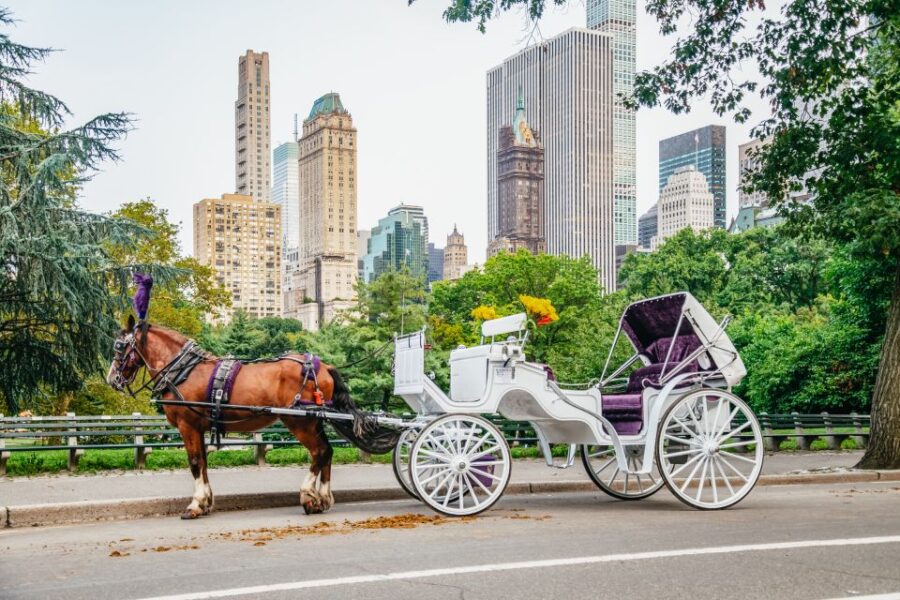
Pedicabs offer greater route flexibility and speed, while horse carriages provide a classic, slower-paced experience; most visitors find the pedicab better for covering ground while the carriage suits those seeking New York City landmarks in a traditional setting.
|
Top pick Pedicab |
Horse Carriage | |
|---|---|---|
| What you ride in | Bike-powered rickshaw | Horse-drawn carriage |
| Pace and route flexibility | High speed and customizable | Fixed route and slower pace |
| Price | 60-120 USD (per hour) | 75-150 USD (per hour) |
| Duration | 30-90 minutes | 20-50 minutes |
| Atmosphere | Casual and energetic | Traditional and romantic |
| Animal welfare consideration | Not applicable | Regulated by city guidelines |
| See tickets & prices |
Verdict: For those seeking an efficient buggy ride in central park tours, the pedicab is the practical choice, whereas a horse carriage tour remains the preferred option for a nostalgic experience with buggy ride in central park tickets.
Hand-picked experiences loved by thousands of travelers
40 minutes to 1 hour
Free Cancellation
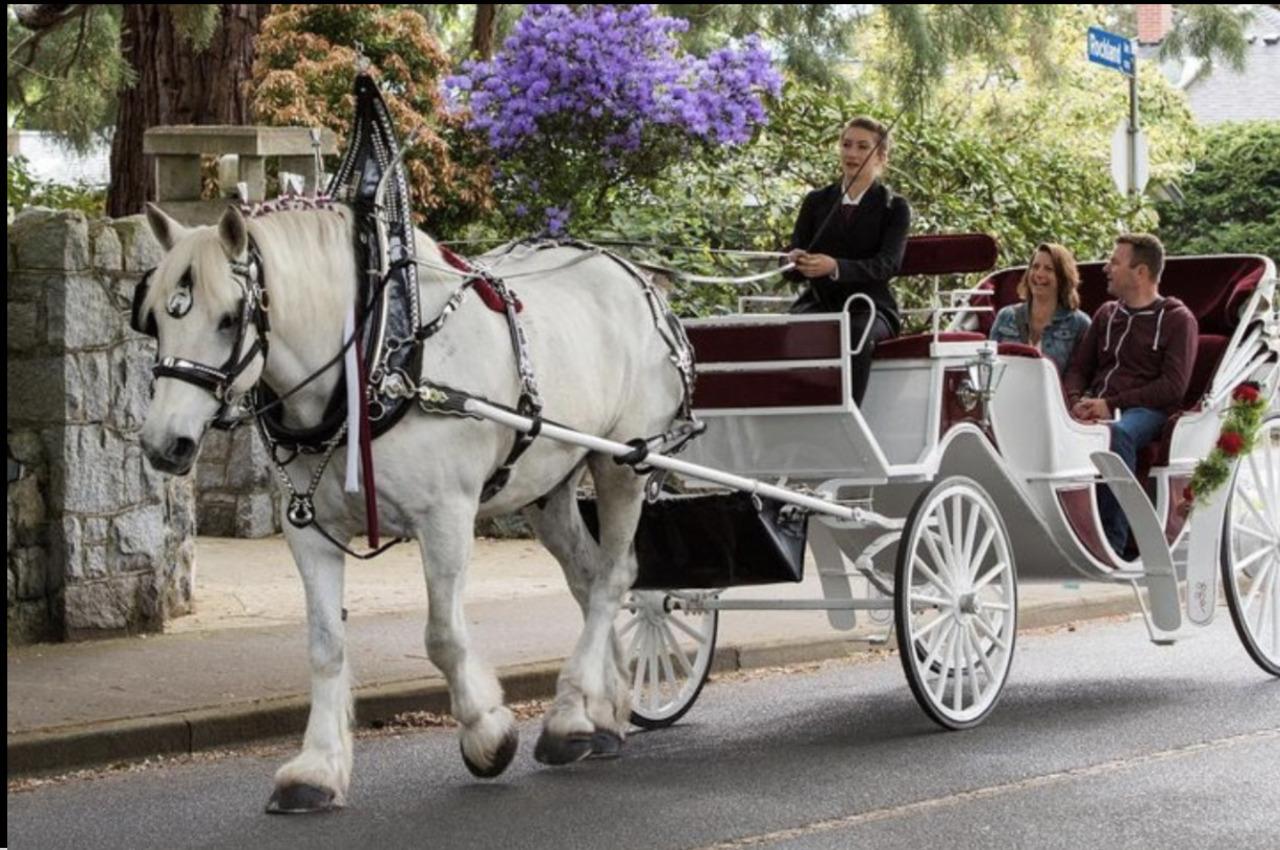
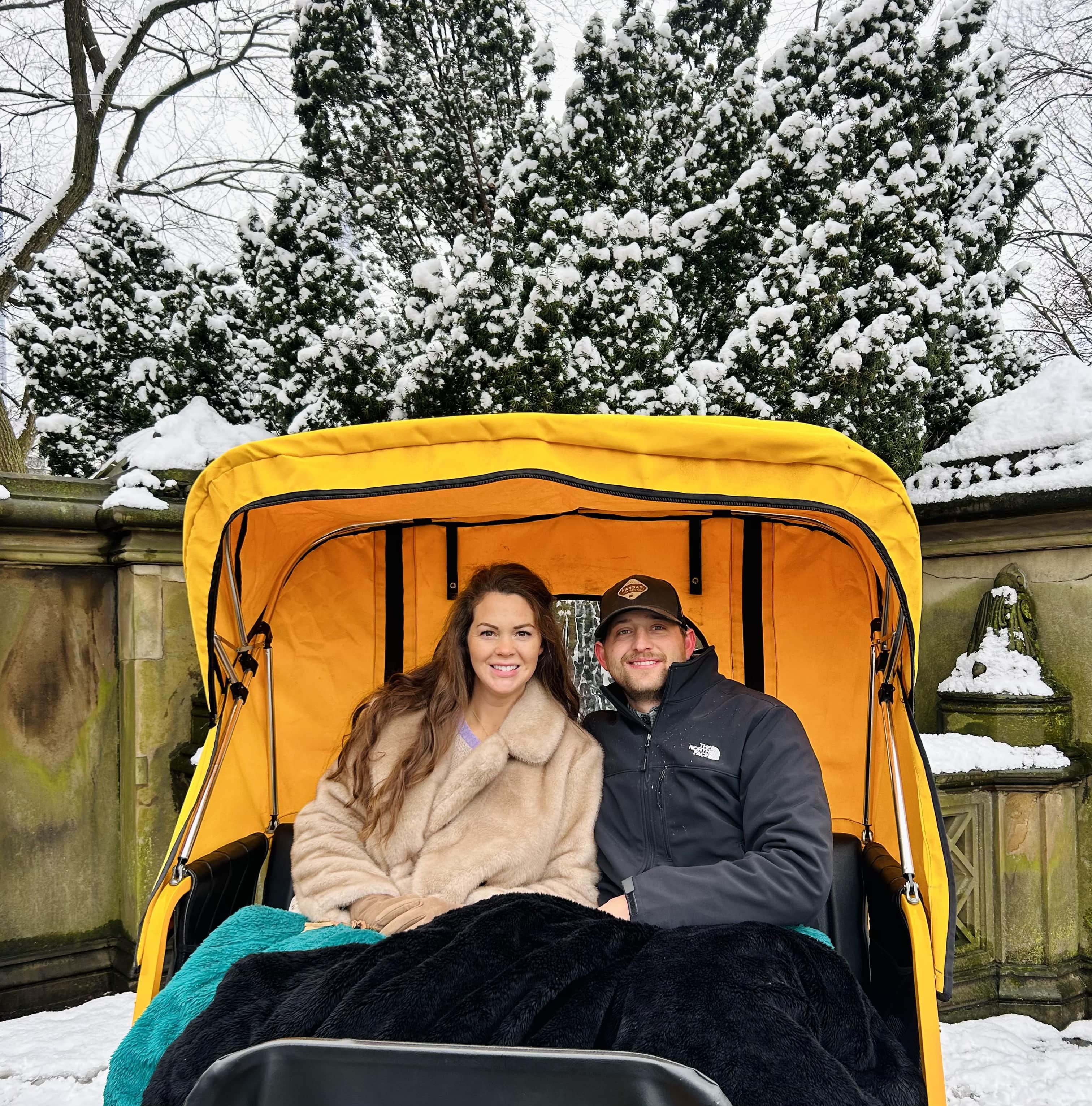
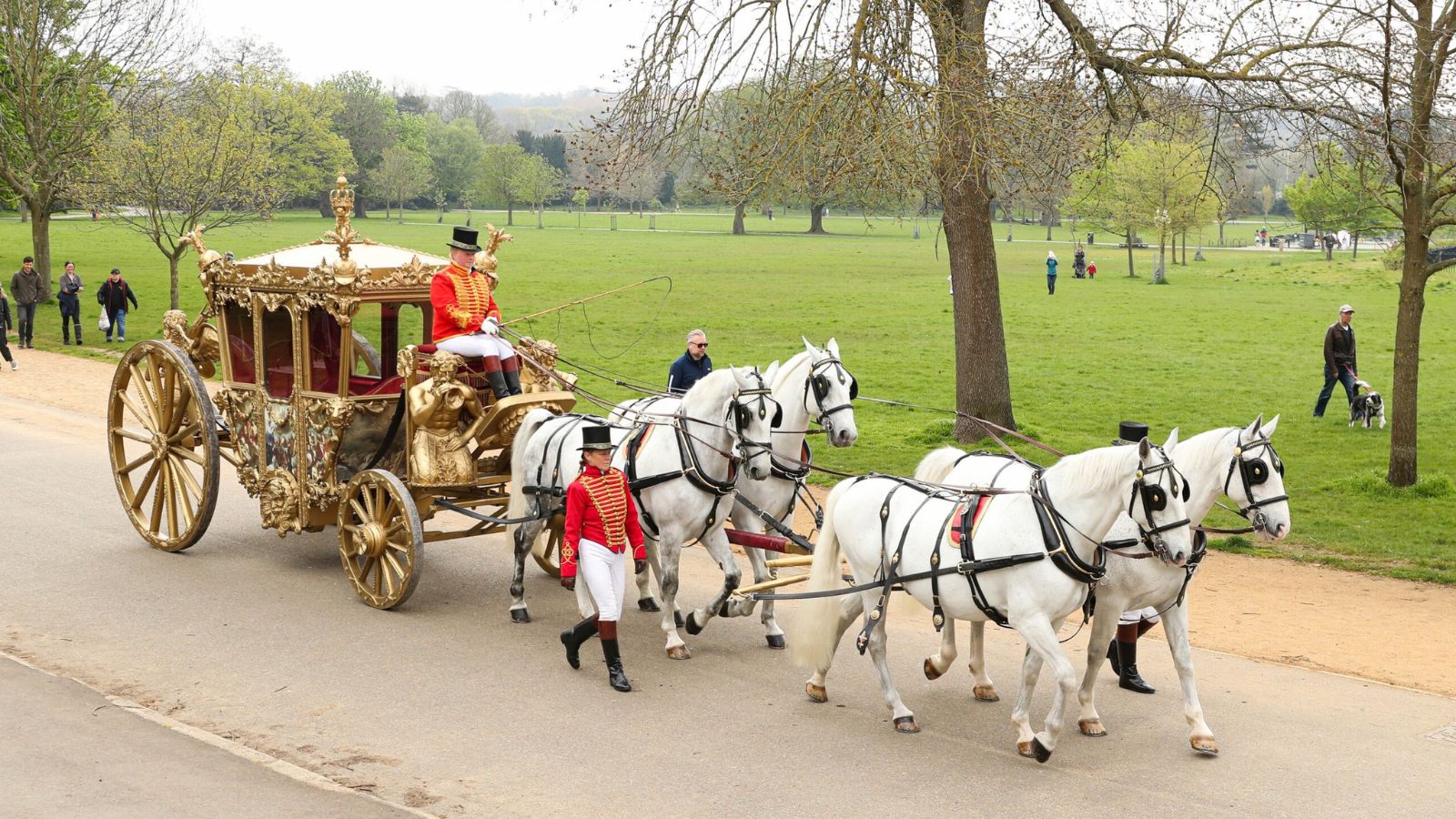
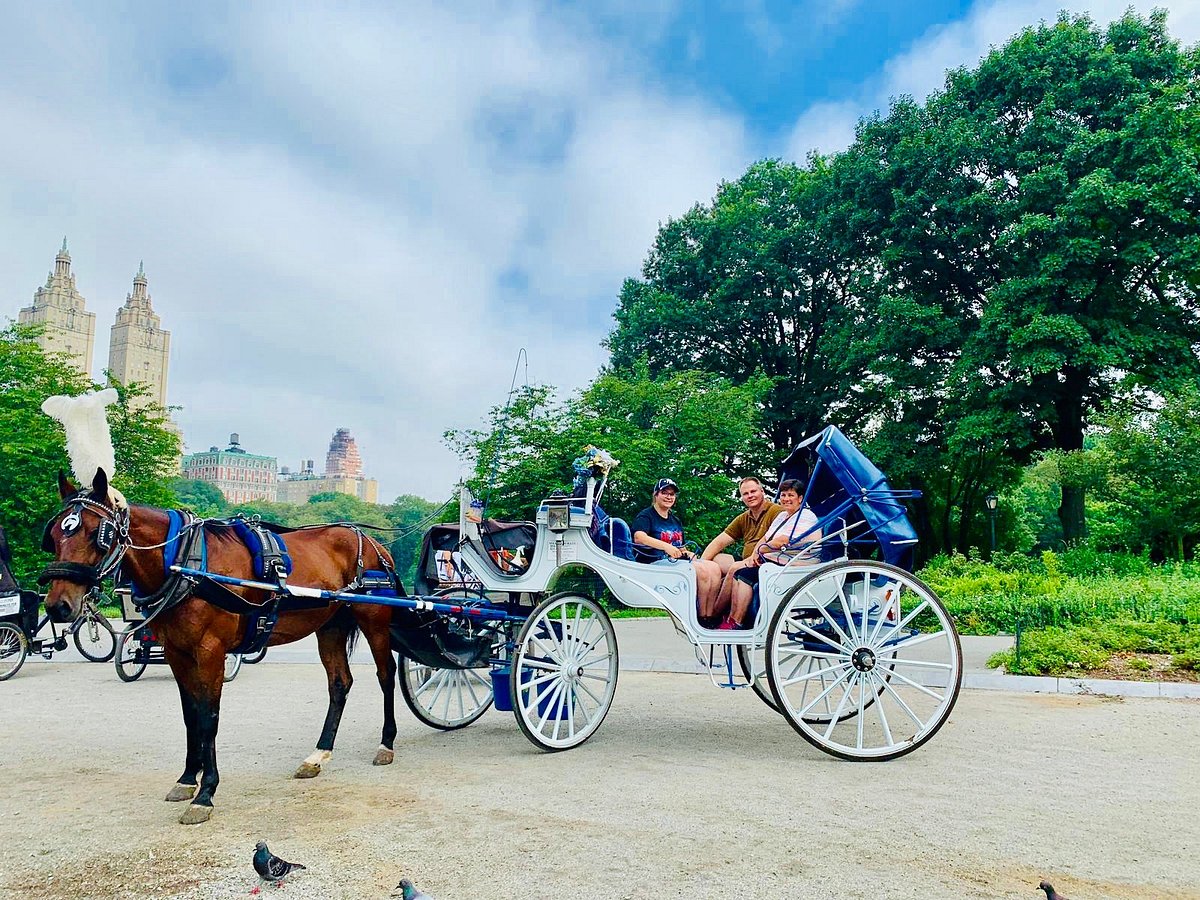
Experience Manhattan's most iconic green space from a vintage horse-drawn carriage with a knowledgeable local guide
2 hours
Free Cancellation
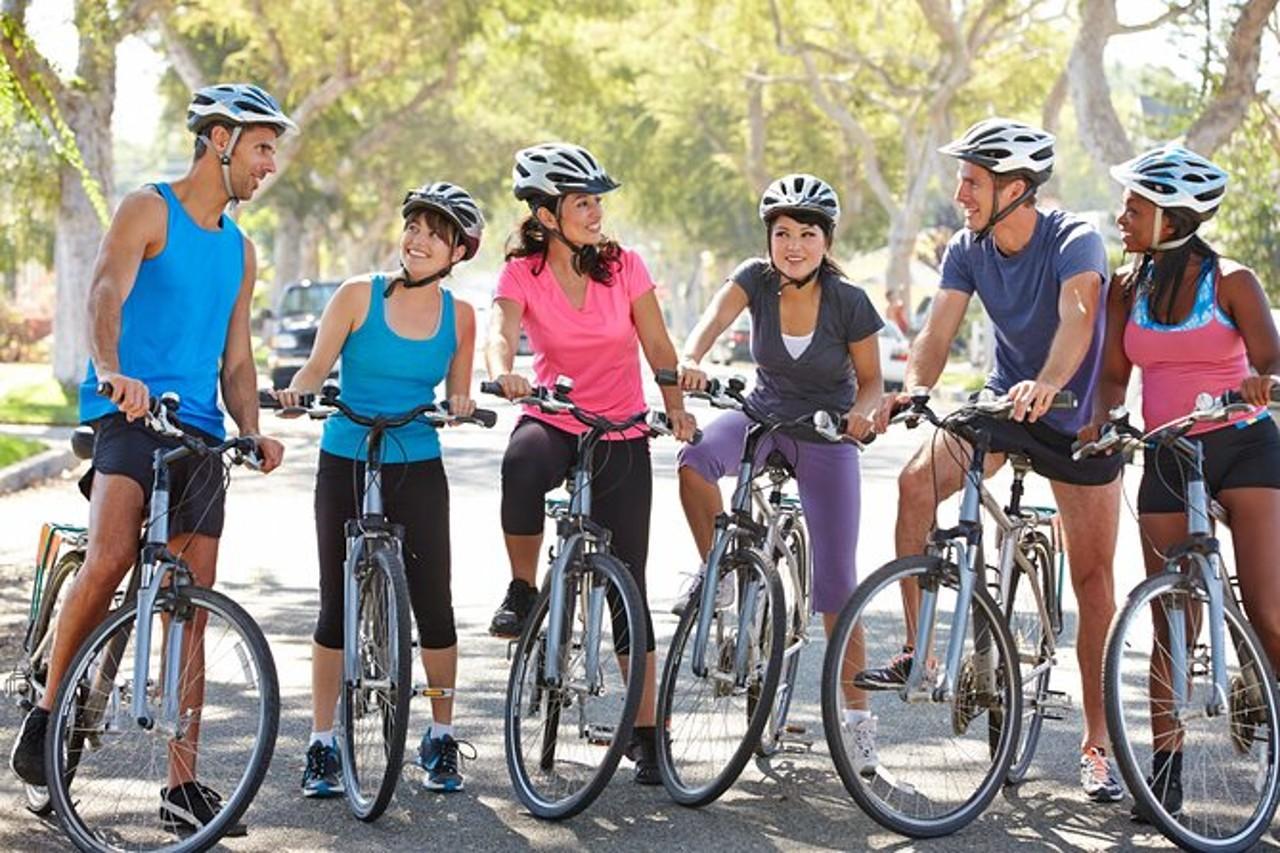
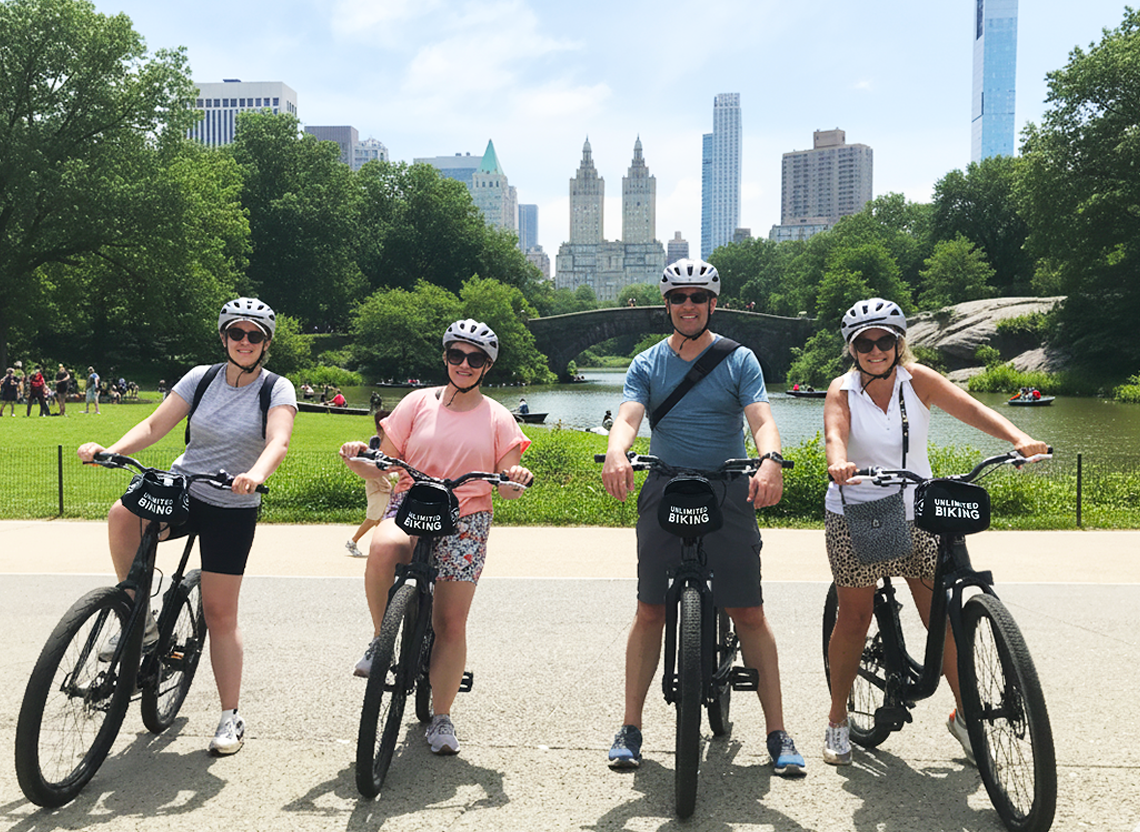
Pedal through Manhattan's green heart on a guided ride covering iconic landmarks and hidden gems
1 hour
Free Cancellation
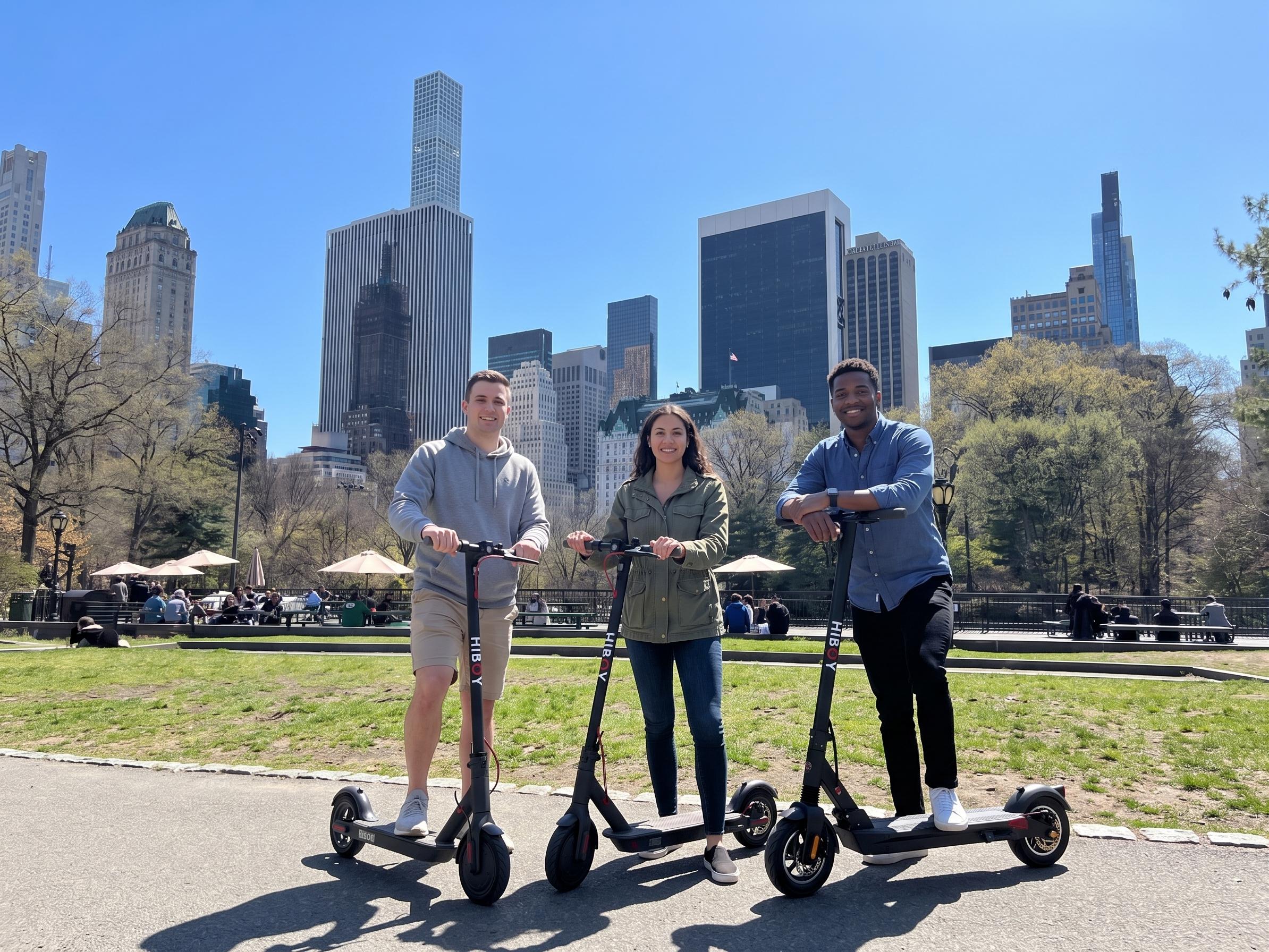
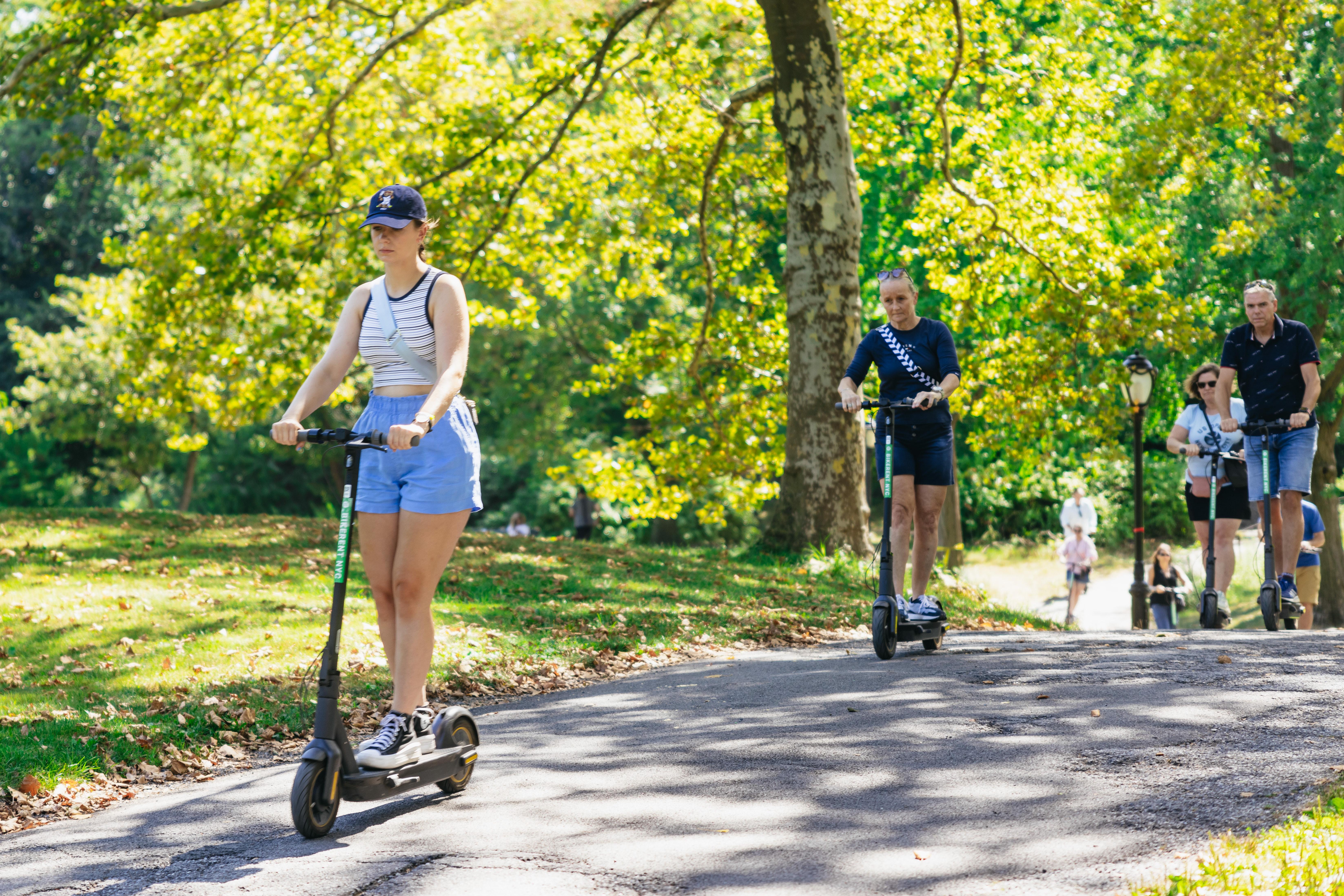
Glide through Manhattan's iconic green space on an electric scooter with flexible rental times
1 hour
Free Cancellation
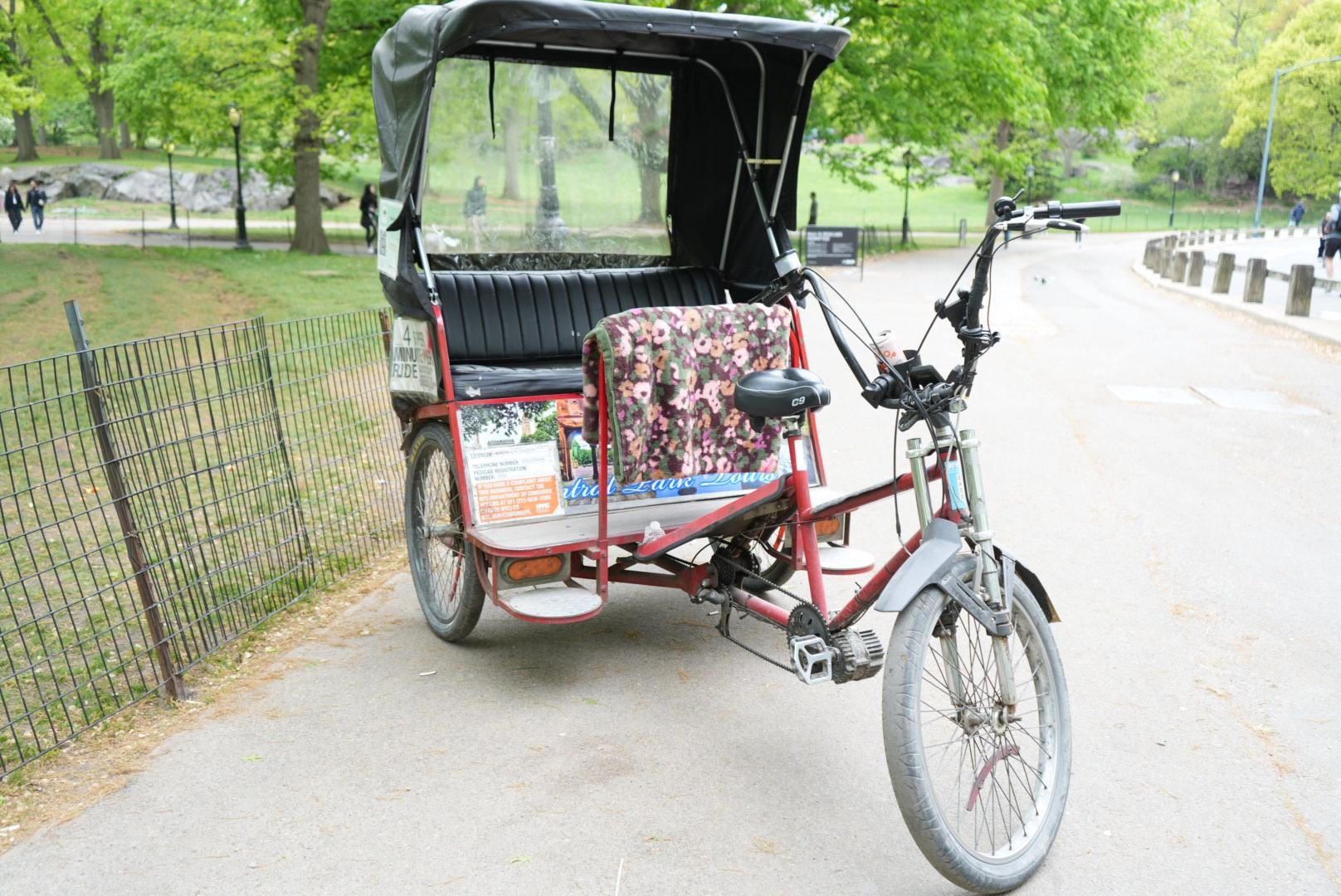
Discover New York's famous green oasis by pedicab with a local expert leading the way through landmarks.
1 hour
Free Cancellation
Cycle through iconic movie scenes from two Christmas favorites on this guided Central Park adventure
2 hours
Free Cancellation
Pedal through NYC's iconic green oasis and uncover its hidden stories on this relaxed 2-hour ride
2 hours
Free Cancellation
Glide through NYC's iconic green space on an e-scooter, visiting Bethesda Fountain, Strawberry Fields, and more
Meet at designated entrance for your buggy ride in central park
Confirm your buggy ride in central park tickets with the operator
Enjoy the carriage route through iconic New York City landmarks
Disembark at the agreed end point of your ride
Features stunning carvings and a multi-level architectural design that defines this park landmark.
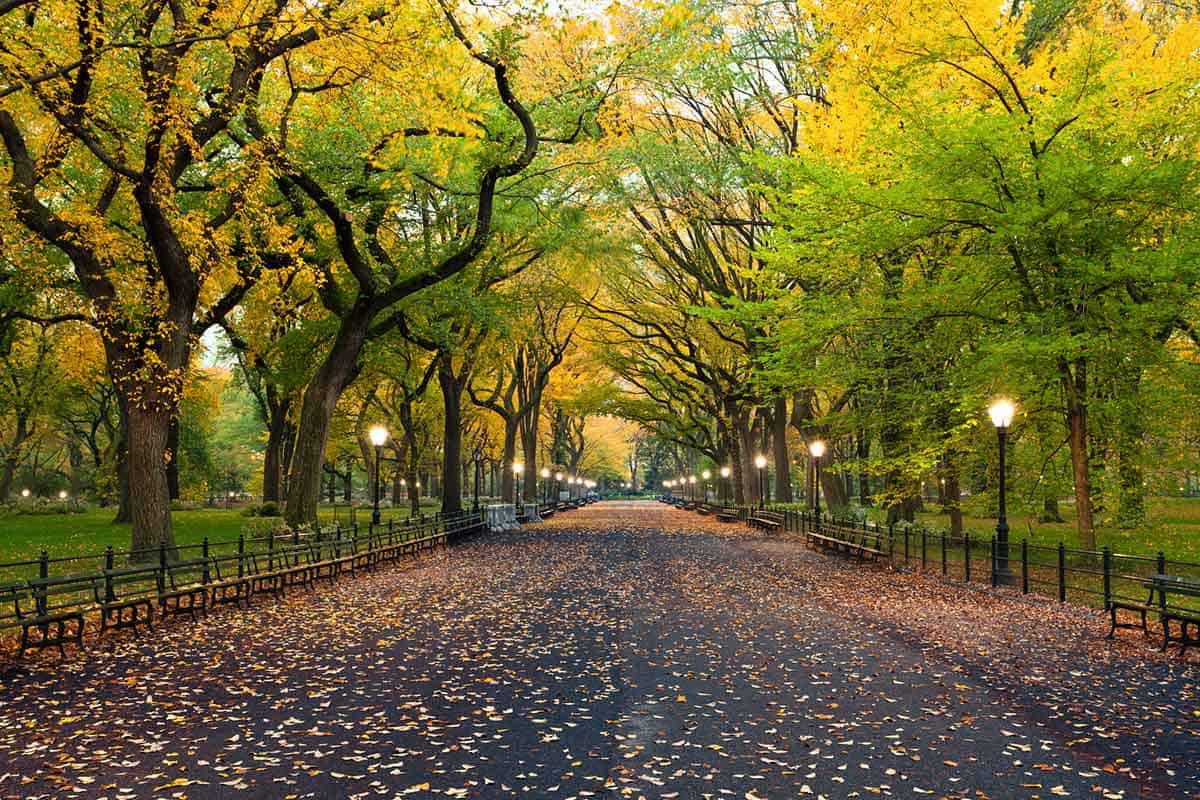
The Mall
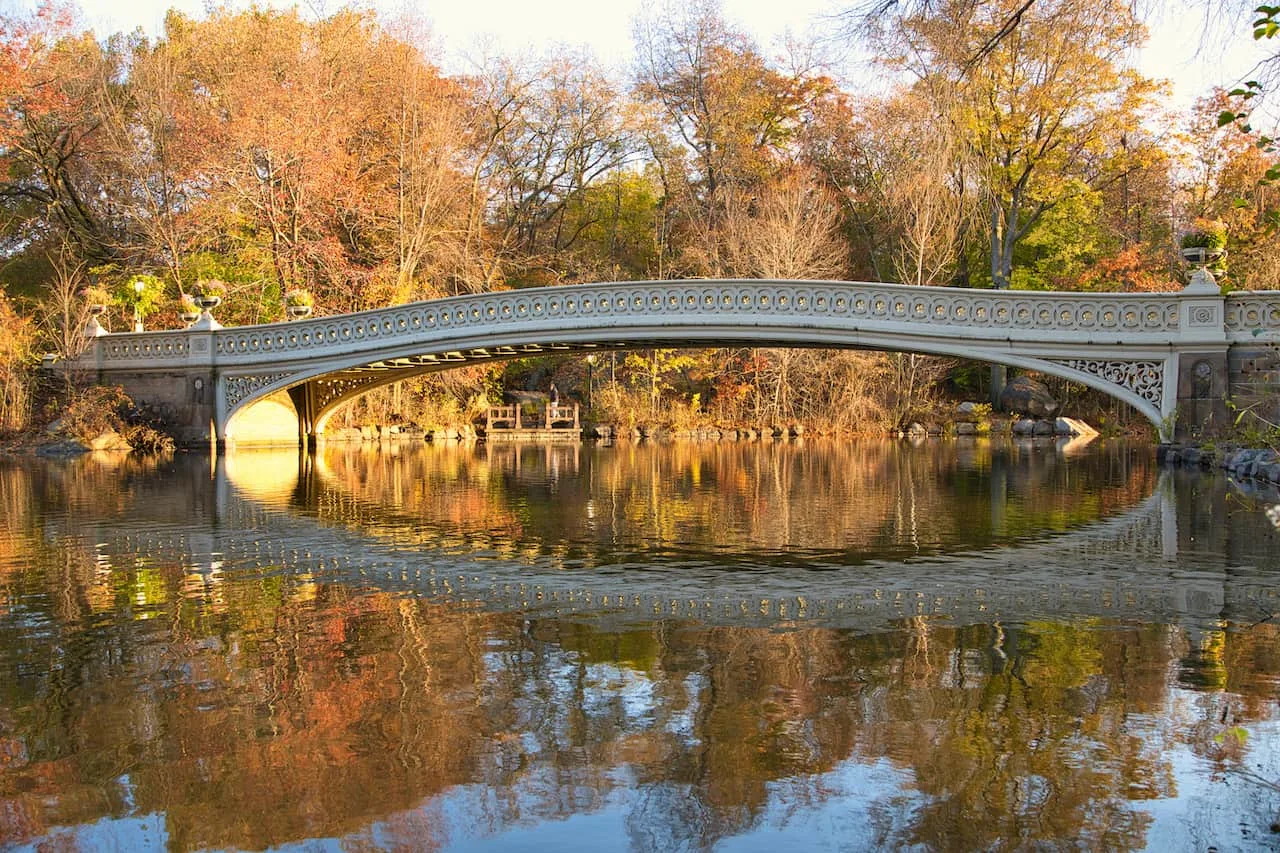
Bow Bridge
The Lake
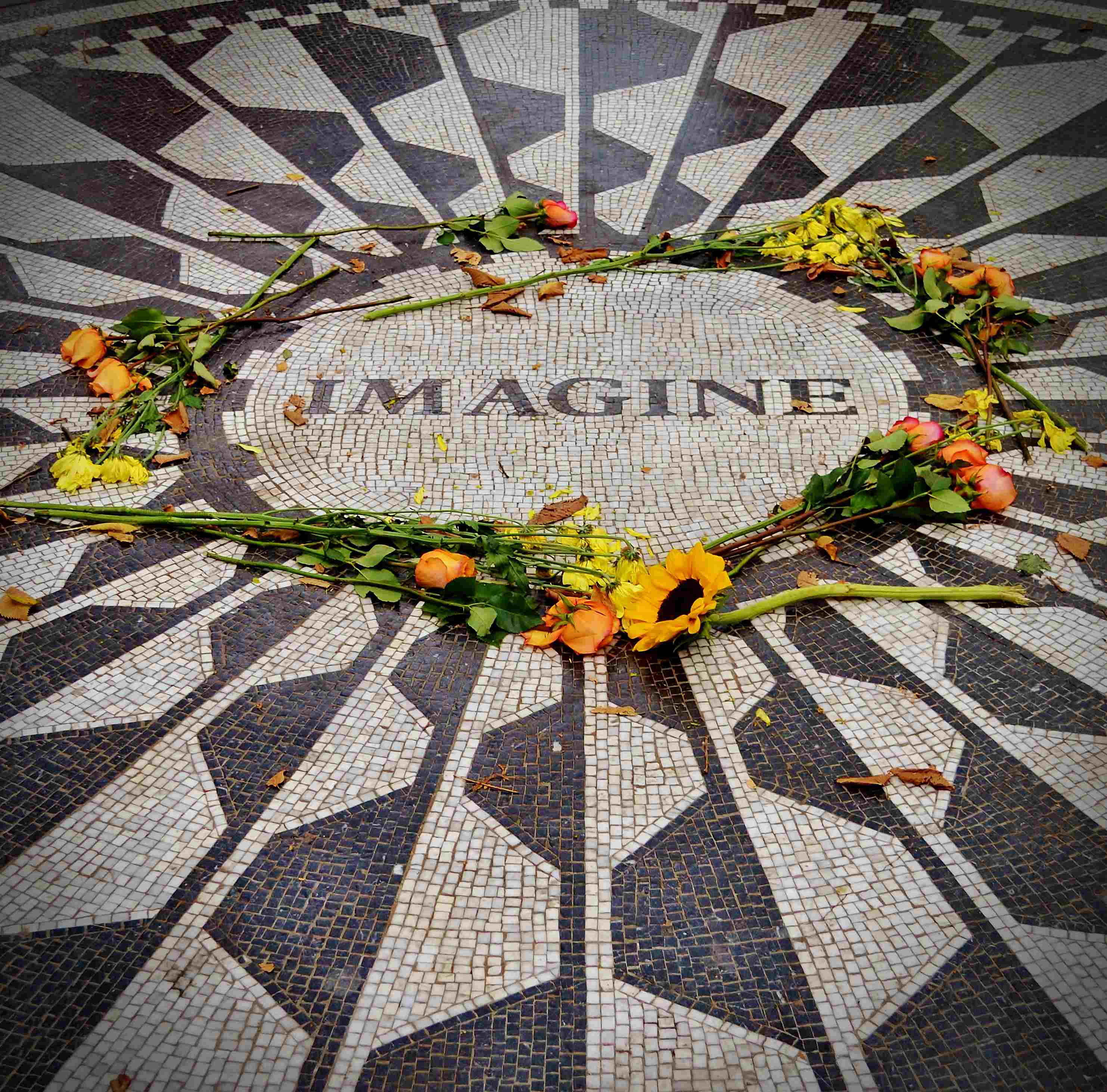
Strawberry Fields
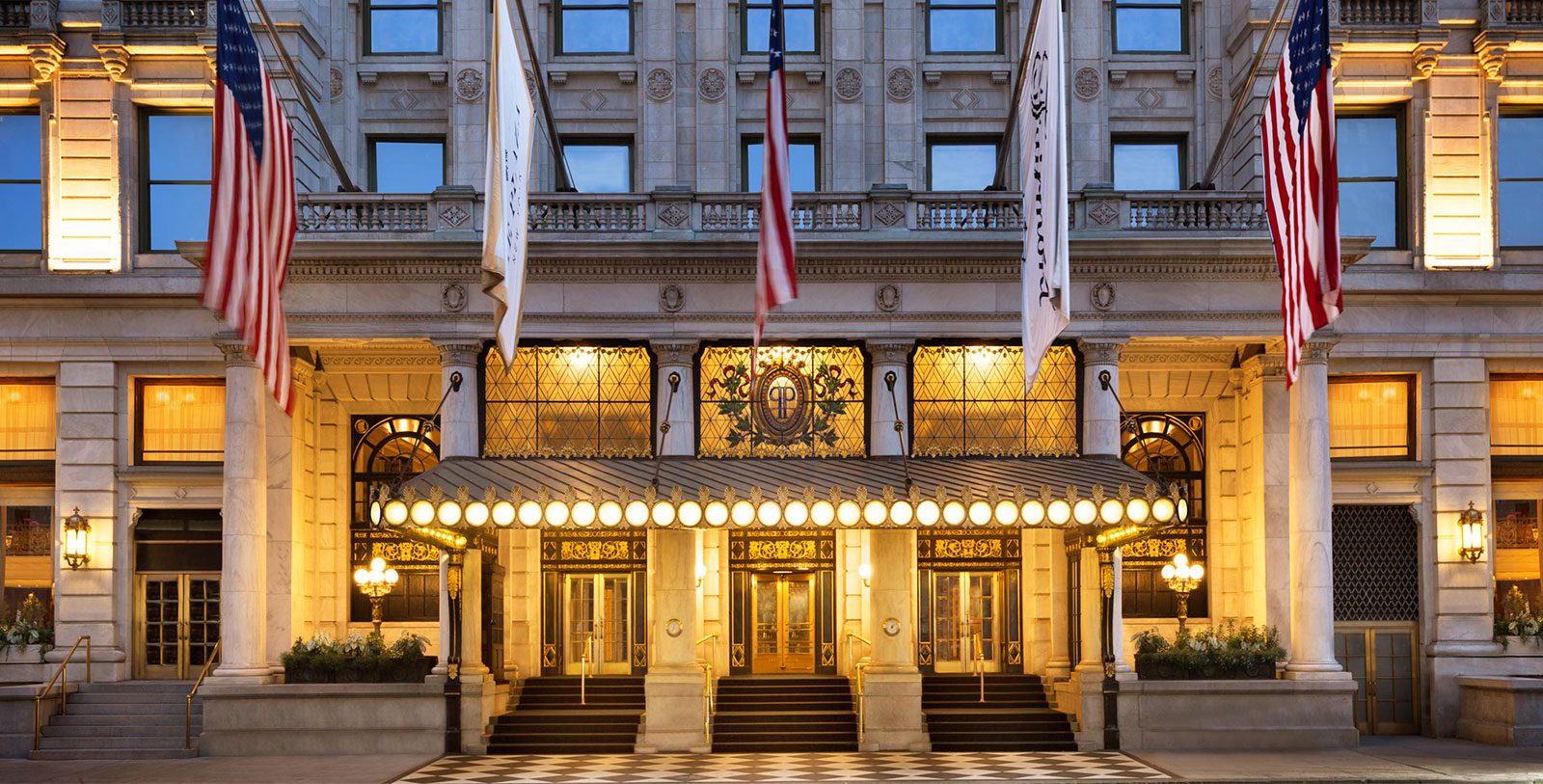
You step into the carriage at the 59th Street stand, the driver guiding the horse onto Center Drive as the engine noise of Midtown fades behind the treeline. The wheels roll smooth over asphalt as you pass the Pond, where turtles sun on logs and the Plaza Hotel's facade shrinks to a cream-colored sliver.
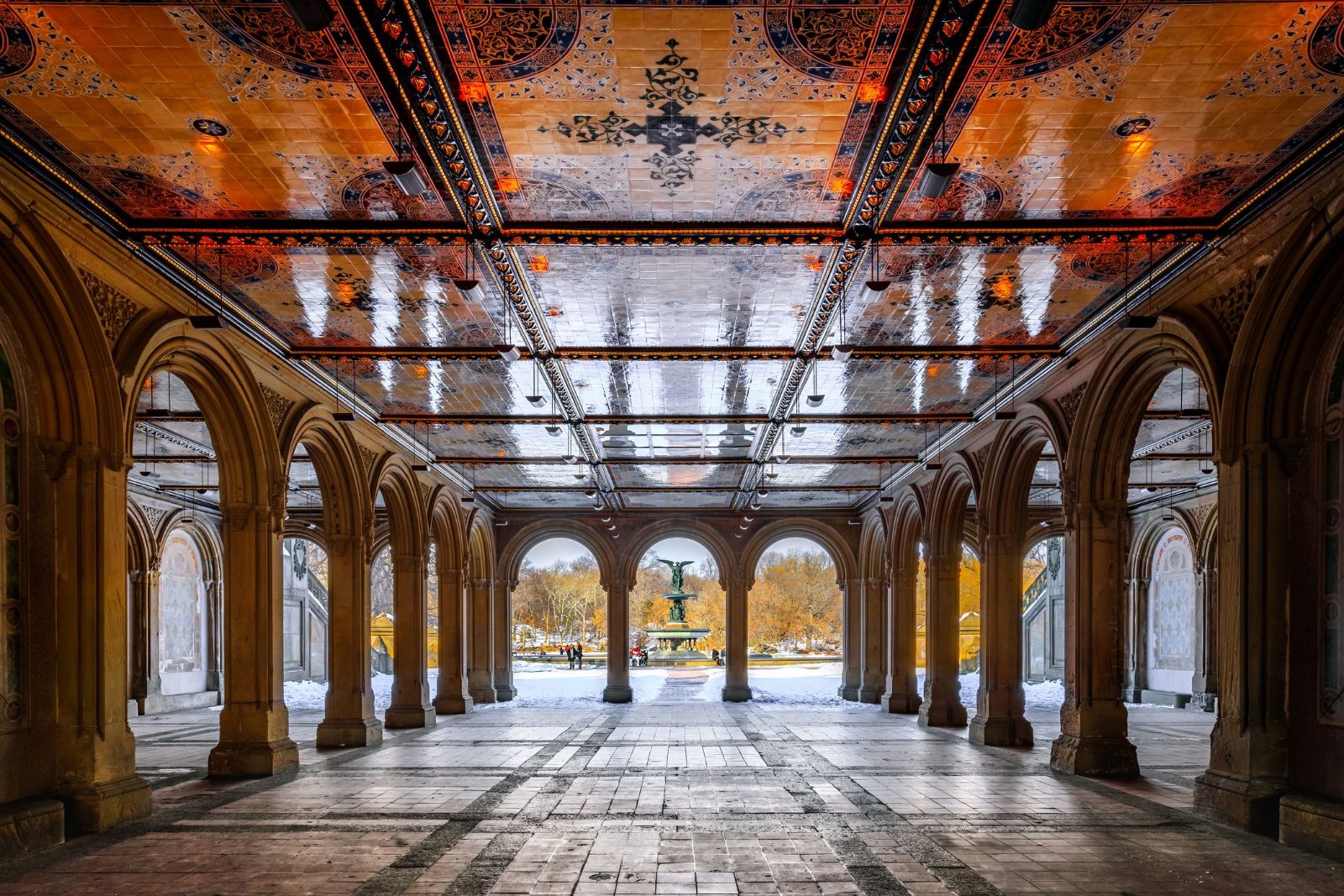
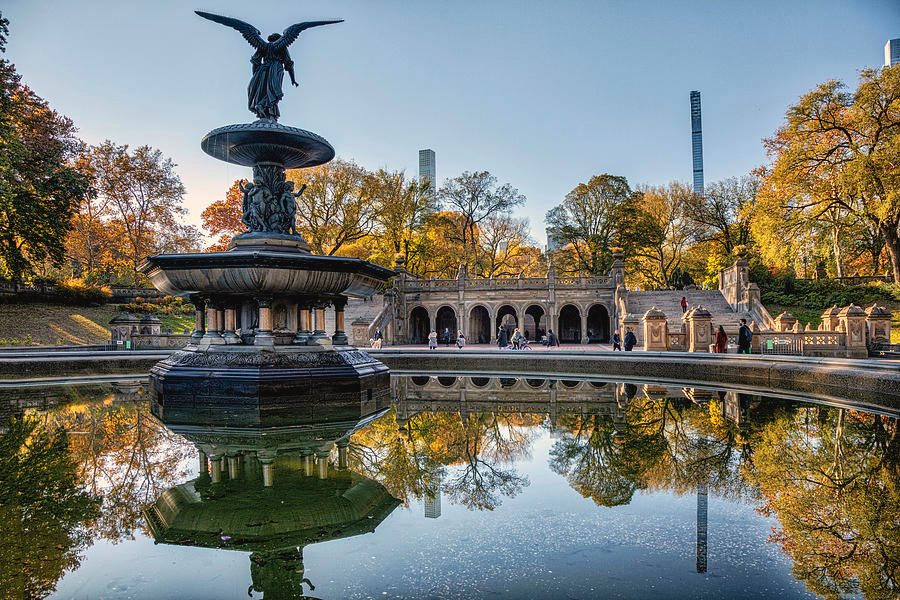
At Bethesda Terrace, you pause while the driver explains the Angel of the Waters sculpture — Emma Stebbins cast it in 1873, the first public art commission awarded to a woman in New York.
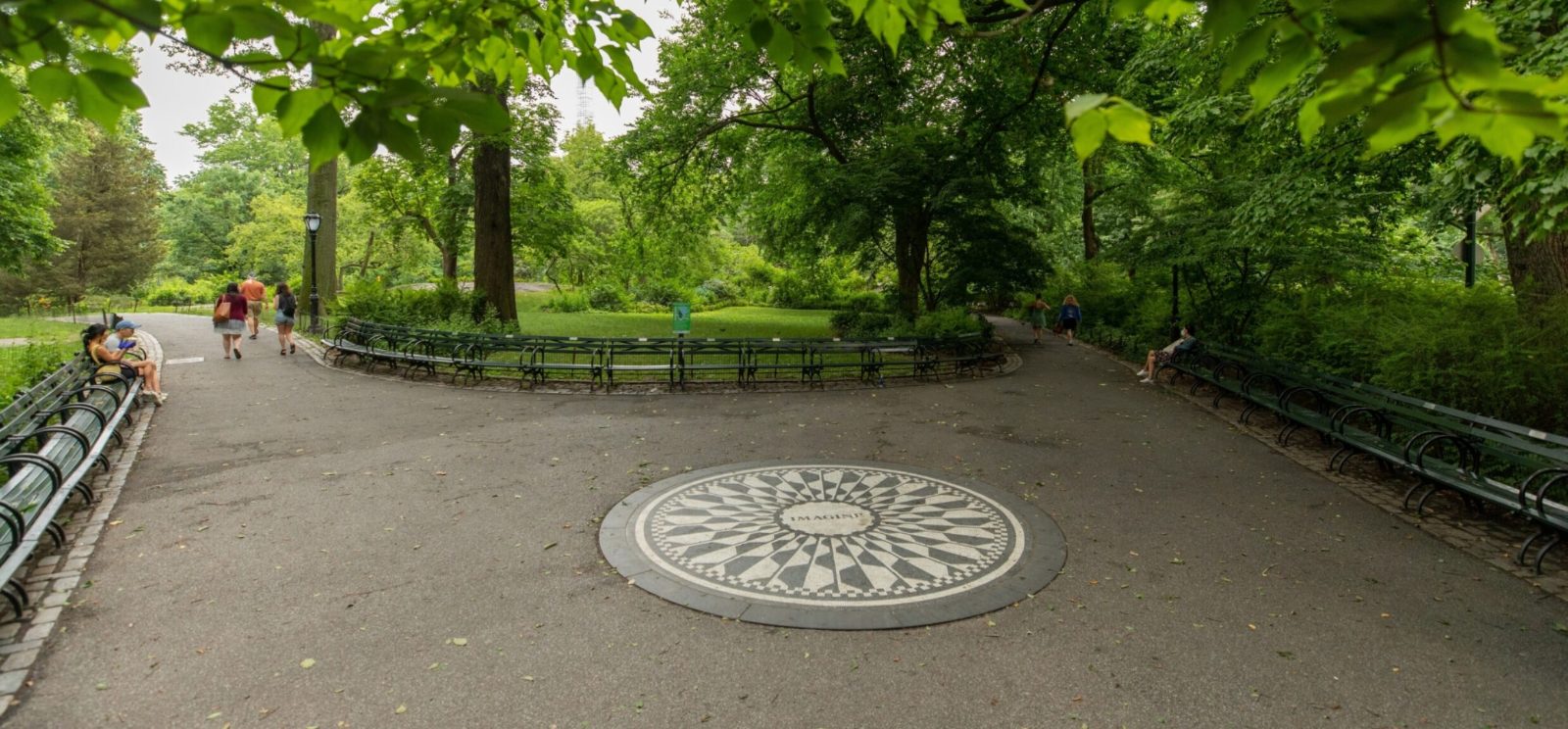
The route curves west toward Bow Bridge, its iron span painted white and bending over the Lake. Rowboats drift below; you see the San Remo's twin towers framed between willow branches. The carriage climbs a gentle slope past Cherry Hill, where magnolias bloom in spring, then descends toward Strawberry Fields. The Imagine mosaic sits flush with the path, ringed by visitors; the driver slows but does not stop.
You continue north if you've chosen a longer ride, passing Belvedere Castle's gray stone turret and the Swedish Cottage tucked into a grove of elm and oak. The air smells different here — cooler, damper, filtered through leaves. The horse's hooves keep a steady rhythm. At the turnaround point, the driver loops back south, retracing the route but offering new angles: the Bethesda Fountain lit by afternoon sun, the skyline emerging gradually as you descend toward the park's southern gate.
All the details about your upcoming adventure in one place
Frederick Law Olmsted designed Central Park's carriage drives in 1858 to be glimpsed, not driven — curves that revealed the landscape in controlled sequences, hiding the city beyond.
The original roads were paved with trap rock and crowned to drain into planted verges, a surface soft enough that hoofbeats stayed quiet. A buggy ride in Central Park today follows those same 19th-century loops, now asphalt but still closed to cars, threading through 843 acres where Olmsted's sight lines remain intact.
The park's carriage tradition predates its completion. In the 1860s, the wealthy arrived in private broughams to parade along the Mall, turning the Bethesda Terrace into an informal social stage. By the 1870s, hack drivers clustered at the 59th Street gate, offering rides to tourists and immigrants who wanted to see what the city's first major public works project looked like up close. That informal trade became formalized in 1935, when the city licensed horse-drawn carriages as a regulated service, capping numbers and assigning stands along Central Park South and Sixth Avenue.
Today's carriage operators and pedicab guides trace routes through landscapes that remain largely as Olmsted left them: the Ramble's engineered wilderness, the Bow Bridge spanning the Lake, the Gothic Revival silhouette of Belvedere Castle perched on Vista Rock. The southern loop passes Strawberry Fields and the Dakota, where John Lennon lived; the northern stretch reaches the Conservatory Garden's formal parterres and the Harlem Meer's restored wetlands. Each ride type offers a different speed and vantage — horse-drawn carriages move at a walking pace, pedicabs allow stops for photos, private guides narrate the park's hidden details.
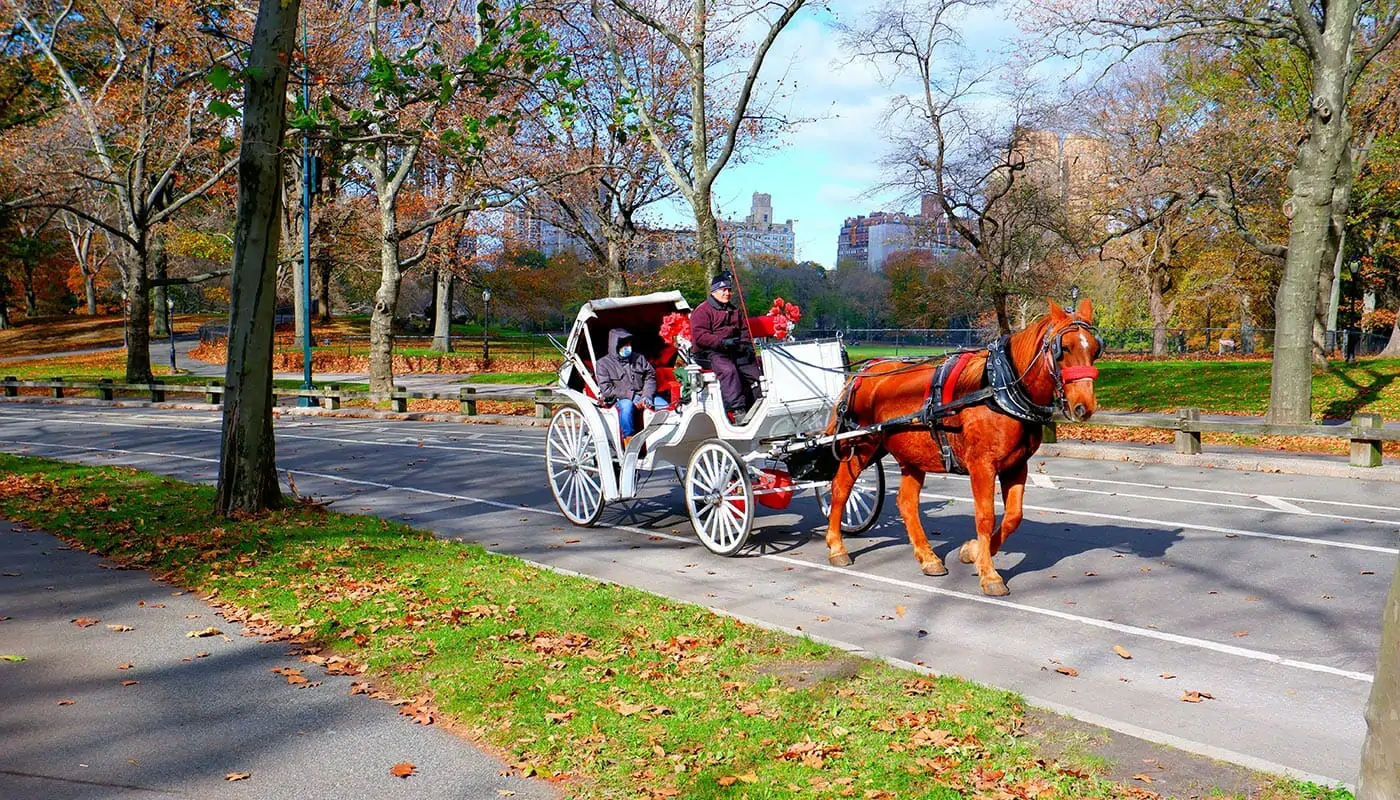
Central park carriage tours operate year-round, adapting to seasons: cherry blossoms frame the reservoir path in April, summer evenings see fireflies near the Azalea Pond, October turns the North Woods into a canopy of red oak and sweetgum, and January snow muffles the city's hum. The vehicles themselves — Vis-à-vis carriages built in Indiana, pedicabs with electric assist — become part of the park's living infrastructure, as embedded in the landscape as the Olmsted-designed bridges and the schist outcrops that anchor every meadow. The rides sold today mirror the park's founding purpose: democratic access to choreographed nature, visible to all but best understood slowly, from a seat that moves at the speed of conversation.
Olmsted designed the carriage drives to be glimpsed, not driven — curves that revealed the landscape in controlled sequences.
Dress in layers to ensure comfort during your buggy ride in central park as temperatures shift in autumn.
Keep personal items secure and on your person during your buggy ride in central park tour, as operators may have limited storage space.
Personal photography is encouraged during your buggy ride in central park, provided it does not impede the operator's safety protocols.
Children must be accompanied by an adult during any buggy ride in central park experience.
Most operators offer a wheelchair-accessible buggy ride in central park; please confirm specific equipment needs when booking your buggy ride in central park tickets.
Avoid eating messy foods inside the carriage to maintain the cleanliness of the buggy ride in central park vehicle.
Opening Hours
06:00–01:00
Address
Central Park, New York, NY 10024, USA
Entry Status
Central Park is free to enter; buggy rides are paid separately
Best arrival
09:00–11:00
Storage
Not provided for buggy ride in central park tours
Navigation
Official site: https://www.centralparknyc.org
Public transport · 45 min from Midtown · $2.90
Take the A, C, B, D, or 1 subway lines to 59th St-Columbus Circle.
Taxi · 30 min · Variable
Request drop-off at any major park entrance.
Cancellations for a buggy ride in central park tour must be made according to the operator's specific terms provided at booking. Central Park itself has a 0 USD entrance fee.
Recommended time
2-3 hours
A buggy ride in central park tours typically last between 40 minutes and two hours, allowing ample time to traverse iconic New York landmarks while navigating around paved pathways. We suggest the 09:00–11:00 best arrival window to enjoy cooler temperatures and lighter park traffic for your carriage excursion. Booking your buggy ride in central park tickets early ensures you avoid the midday congestion that impacts pedicab pacing and pedestrian flow. Plan for extra time if you wish to disembark at specific points during your buggy ride in central park.
Crowd levels through the day
Weather · crowds · average price — dots go green to amber to red as each metric rises.
September to November offers crisp air and vibrant foliage perfect for a buggy ride in central park.
April to June features blooming flowers and moderate temperatures.
July to August can be humid, so opt for morning slots.
December to February provides a festive atmosphere but requires heavy winter gear.
Secure your buggy ride in central park tickets online to guarantee availability during peak autumn foliage weeks.
If taking a horse-drawn buggy ride in central park, treat the animals with kindness and avoid loud noises.
Drivers are often happy to pause for photos during the buggy ride in central park tour.
If rain is forecast, confirm if your buggy ride in central park includes a covered carriage.
Arrive between 09:00–11:00 to ensure your buggy ride in central park encounters the least amount of pedestrian traffic.
The buggy ride in central park traces its lineage to the park's opening in 1858, when Frederick Law Olmsted and Calvert Vaux designed carriage drives specifically for leisurely horse-drawn vehicles. Wealthy New Yorkers paraded along the West Drive and East Drive in open landaus and broughams, transforming the park into a social theater. By the 1870s, more than 10,000 carriages entered Central Park daily during peak season, creating traffic jams that rivaled today's taxi gridlock. The tradition solidified as a democratic ritual when hansom cabs began offering paid rides to middle-class visitors, establishing the commercial carriage trade that persists in 2026. The automobile's arrival in the early 1900s triggered the first existential crisis for horse-drawn vehicles. Central Park banned cars from interior drives on weekends starting in 1912, preserving a sanctuary for carriages even as the city around them modernized. The industry contracted sharply after World War II, dropping from hundreds of licensed drivers to fewer than seventy by 1970. A resurgence began in the 1980s when carriage rides were marketed as romantic tourist experiences, anchored at the Grand Army Plaza hack line along Fifth Avenue. Pedicabs emerged as competitors in the 1990s, offering pedal-powered buggy ride in central park tours that appealed to environmentally conscious visitors. Controversy intensified in the 2010s when animal welfare advocates documented cases of overworked horses and called for a full ban. Mayor Bill de Blasio's 2014 campaign promise to eliminate horse carriages sparked a contentious debate that resulted in stricter regulations instead of abolition. Current rules enacted in 2016 limit working hours to nine per day, mandate veterinary inspections, and restrict carriage operation to park drives rather than city streets. The Central Park carriage trade now operates under the most comprehensive oversight in its history, with GPS monitoring and temperature-based work restrictions ensuring humane treatment while preserving a tradition older than the Statue of Liberty.
Central Park opens with dedicated carriage drives designed by Olmsted and Vaux for horse-drawn leisure vehicles.
Daily carriage traffic peaks above 10,000 vehicles, establishing the park as New York's premier social promenade.
Weekend automobile ban preserves carriage sanctuary inside park boundaries despite citywide motorization.
Commercial carriage industry rebounds by marketing romantic tourist rides from the Grand Army Plaza hack line.
Pedicabs introduce pedal-powered competition, offering eco-friendly alternatives to traditional horse buggies.
Animal welfare debates culminate in comprehensive regulations limiting work hours and mandating GPS monitoring for all licensed carriages.
Position your camera at the top of the stairs for a symmetrical view of the Arcade and the fountain below. This iconic landmark is frequently visited during a buggy ride in central park tours.
Stand on the west side of this cast-iron structure to capture the classic silhouette against the skyline. It serves as a highlight for those booking a buggy ride in central park tour.
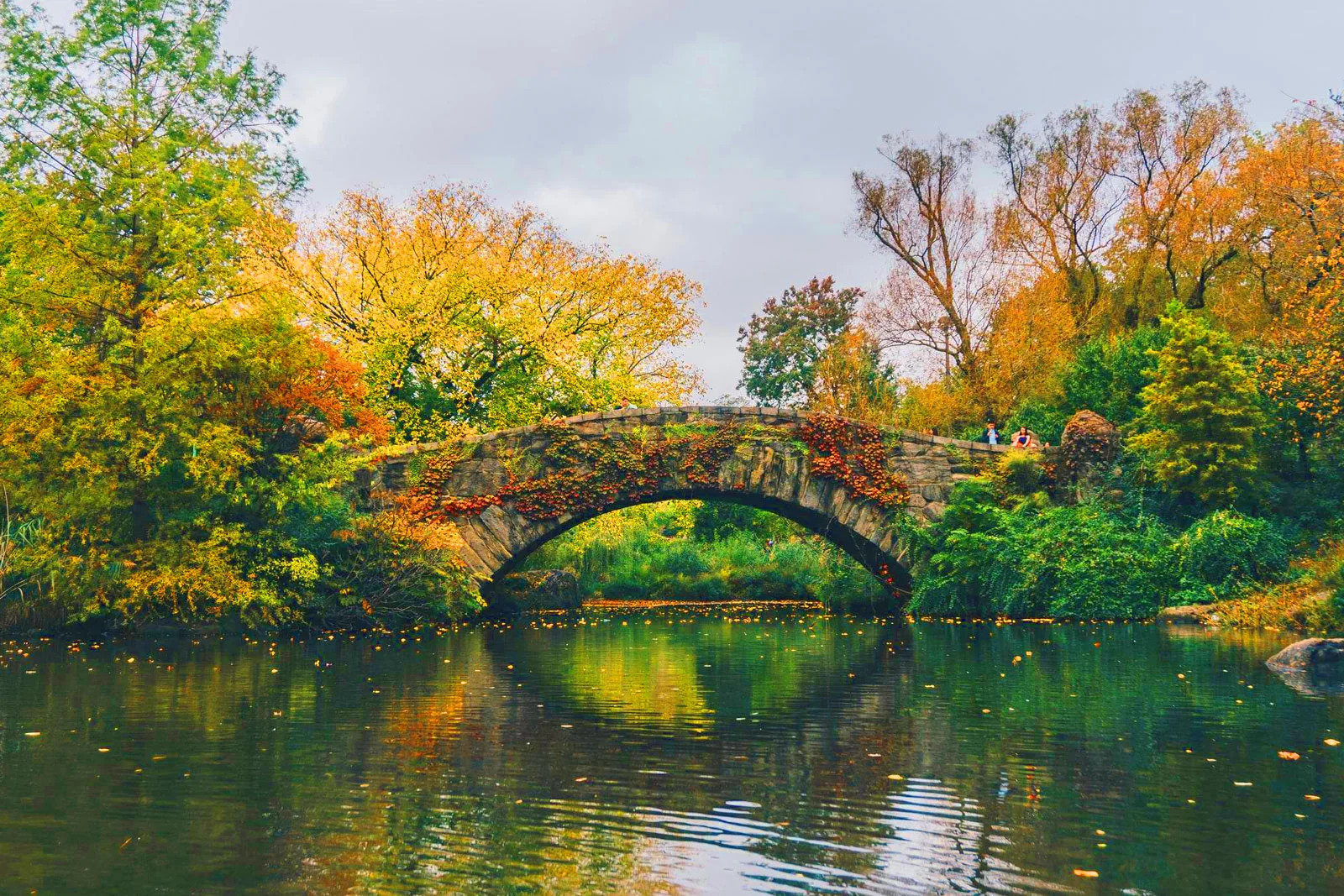
Capture the Manhattan skyline reflecting in The Pond from the south side of this stone archway. This spot is a common stop for guests with buggy ride in central park tickets.
Focus on the Imagine mosaic inlaid in the path, surrounded by shaded trees and quiet landscaping. This location provides a peaceful contrast to the urban landmarks of this New York City carriage tour.
Shoot down the center of the wide walkway lined with American elm trees to create a vanishing point effect. This pedestrian corridor is easily accessed during your journey through the park.
Planning a buggy ride in central park with children requires balancing their patience with the vast greenery of this New York landmark. These scenic carriage excursions offer a relaxing way for families to see the sights while minimizing physical fatigue.
Most pedicabs and carriages have limited storage, so ensure your stroller is collapsible or plan to leave it at your accommodation before securing your buggy ride in central park tickets.
Toddlers often enjoy the novelty of a ride, though we suggest shorter durations for children under four who may struggle to sit still during a longer buggy ride in central park tour.
To maximize comfort, aim for the best arrival window of 09:00–11:00 to avoid mid-day heat and peak pedestrian congestion.
Public restrooms are available throughout the grounds, but it is wise to locate the nearest facility before departing on your buggy ride in central park tours.
Bring light snacks and water to keep kids hydrated, as the open-air nature of these New York City landmarks tours means limited access to supplies once you are underway.
Visitors seeking a meal before or after a buggy ride in central park will find several convenient options ranging from casual park kiosks to upscale dining within a short walk. While the park grounds offer light snacks, the surrounding Manhattan streets host diverse eateries perfect for completing your New York City landmark tour.
A historic restaurant located inside the park that offers classic American fare in a refined setting. It serves as an excellent spot for brunch or lunch after your buggy ride in central park tours.
Everything you need to know for your journey
The park is open from 06:00–01:00, which defines the window for your buggy ride in central park.
Yes, Central Park is free to enter, though a buggy ride in central park is a separate paid service.
We recommend a 09:00–11:00 arrival for the best buggy ride in central park experience with fewer crowds.
Policies vary by operator, so check your buggy ride in central park booking details for pet allowances.
Policies are operator-specific; review your buggy ride in central park tickets at time of purchase.
Many operators offer an accessible buggy ride in central park, so mention your requirements early.
Bring comfortable shoes, a camera, and a jacket for your buggy ride in central park tour.
Tipping is customary and appreciated after a quality buggy ride in central park.
Tours typically last between 30 to 60 minutes for a standard buggy ride in central park.
An iconic architectural feature overlooking The Lake.
A living memorial to John Lennon located near West 72nd Street.
A miniature castle offering panoramic views of the park.
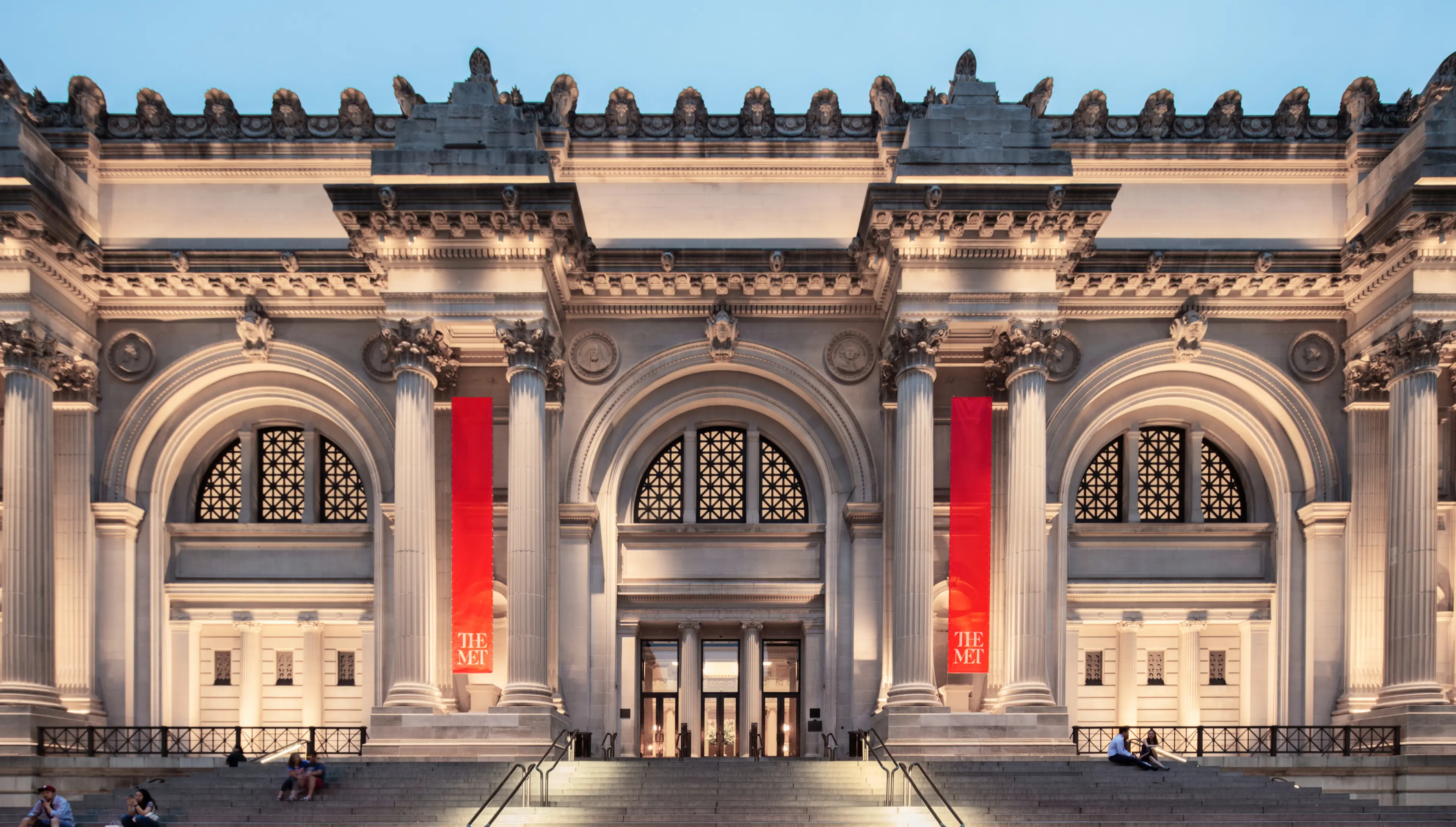
World-class art collections situated at the edge of the park.
Join thousands of happy travelers who have discovered this incredible experience
Book Your Experience Now